For millions of refugees across the world, home is no longer a place they can return to. But the things that make a place feel like home – the smell of familiar food, the aroma of brewed coffee, the warmth of shared cultural tradition – these are threads back to their identity and bring back a sense of belonging and worth.
In the hands of those who have been forced to flee, these traditions bring comfort and meaning. They become a way to earn, to contribute, and to rebuild a life with dignity in a place that is not yet, and may never fully be their home.
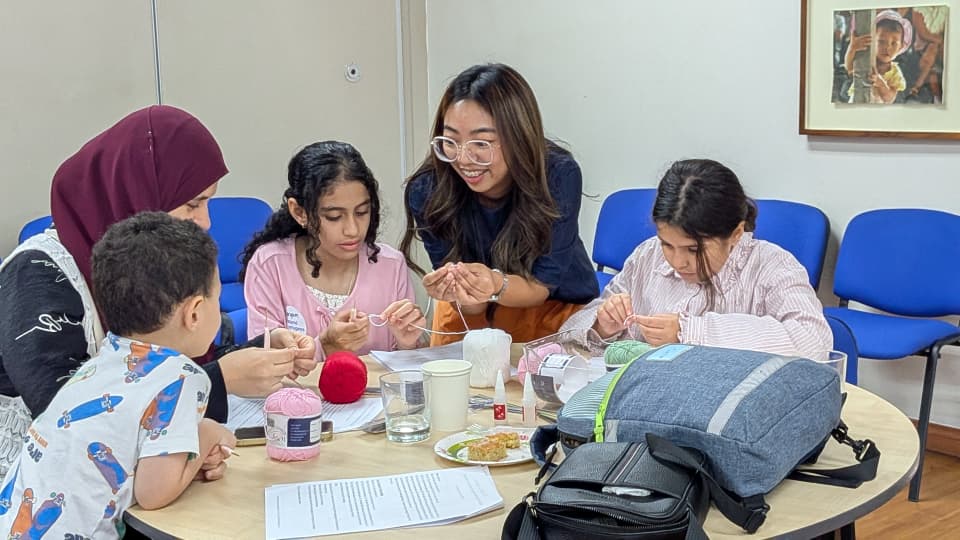
This World Refugee Day, observed annually on 20 June, UNHCR Malaysia brought that to life through a series of refugee-led livelihood workshops: a crochet workshop by Zomi refugees from Myanmar, and a baking and coffee appreciation workshop by Yemeni refugees.
Together, they showcase the talents that displacement cannot take away, and what UNHCR’s campaign theme this year, Hope Away From Home, looks like in practice.
Because hope is not found in a place. It is found in people.
Sisters Stitching A Future And Community Together
SL* has been sewing since she was eight years old, taught by her mother. She and her younger sister, NP*, are Zomi, an ethnic group primarily from Chin State in Myanmar, many of whom fled to Malaysia to escape persecution. The sisters have been living in Malaysia for over a decade.
During the pandemic, the sisters founded a community initiative built around crocheting and sewing, not only to support fellow refugees but to empower them toward self-reliance. From the start, they focused on those often left behind: single mothers, young women, and people with disabilities, enabling them to earn an income through dignified work that draws on their own valuable skills, traditions, and heritage.
By lifting one another up within a close-knit network, these artisans are demonstrating that refugees are not passive recipients of aid, but resourceful contributors who sustain themselves and their community. Today, that network spans 40 refugee artisans.
One of our main goals is to help the marginalised, including people with special abilities who are often sitting at home because of their circumstances. We want to teach them so they can earn an income. I have a heart that wants to serve the community. – SL and NP
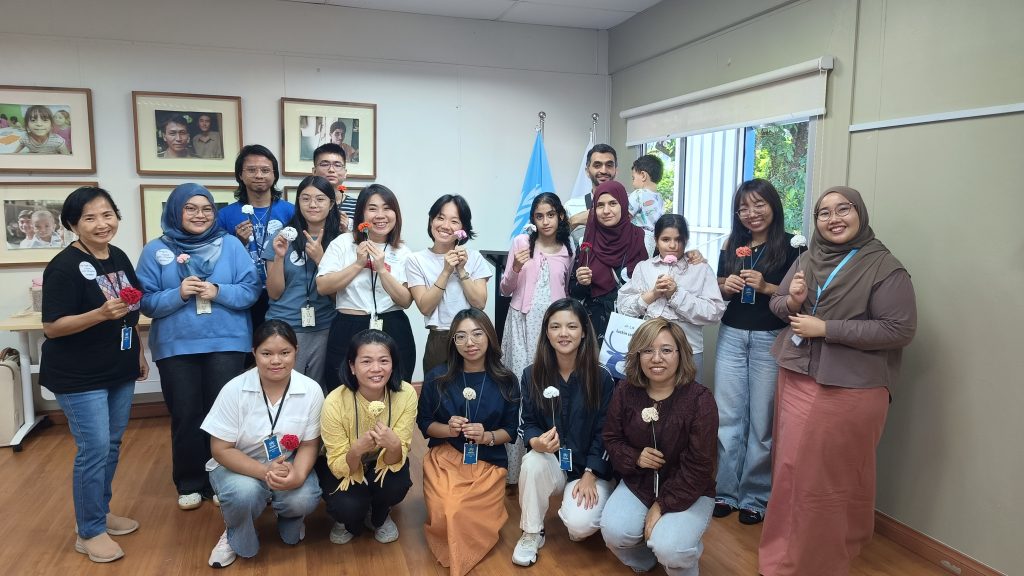
Both sisters are emphatic about the role refugees can play in Malaysian society. NP shares that while she encountered some discrimination when she first arrived, the kindness she has since experienced has stayed with her.
I met locals who truly understand our background, and they were very kind. I want Malaysians to know that refugees are not here to cause problems. We are people who can contribute to the community. – NP
Kneading Bread To Keep Tradition Alive
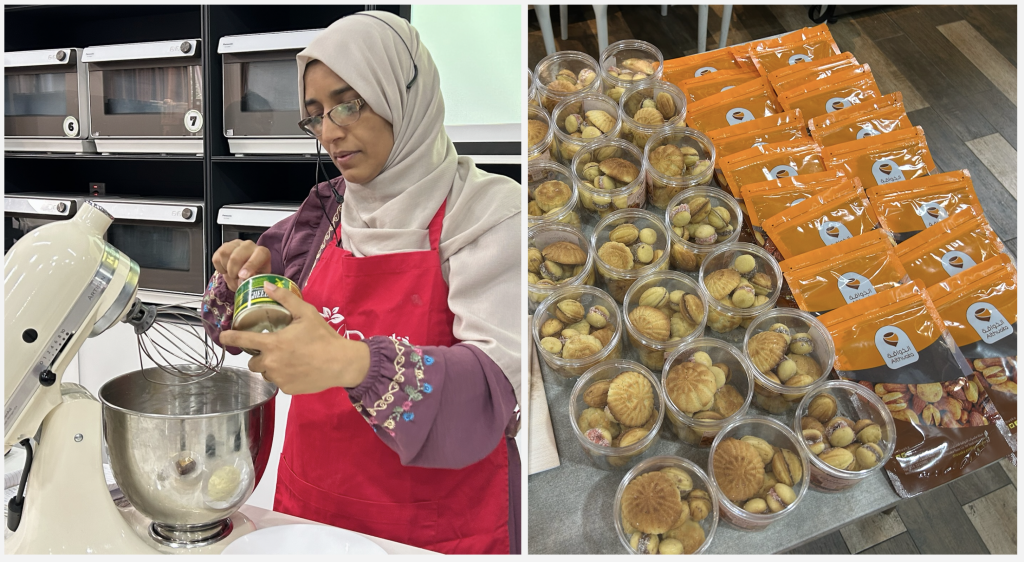
Food carries memory in ways that words sometimes cannot. For SM*, a Yemeni refugee who runs a home-based business specialising in traditional Yemeni cuisine, bread-making is both livelihood and living heritage. Through her workshop, she shares the art of traditional Yemeni bread-making as a tradition to be understood and carried forward.
For refugees like SM, preserving culinary traditions is not simply about food. It is about maintaining a connection to identity in a country far from home, and passing that on to others.
Coffee And Solidarity With Refugees
Long before she led a refugee learning centre or sat on an advisory board, Dr N* managed a Public Health Laboratory in Yemen. She holds a Master’s degree in Medical Microbiology as well as a postgraduate qualification in Education from the University of Birmingham. This combination speaks to someone who has always moved between the worlds of science and service.
Through her coffee appreciation workshop, Dr N introduces participants to a practice that is as much about people as it is about the drink itself. Yemeni coffee is steeped in hospitality and community; sharing it, for her, is as much an act of cultural connection as it is a demonstration of craft.
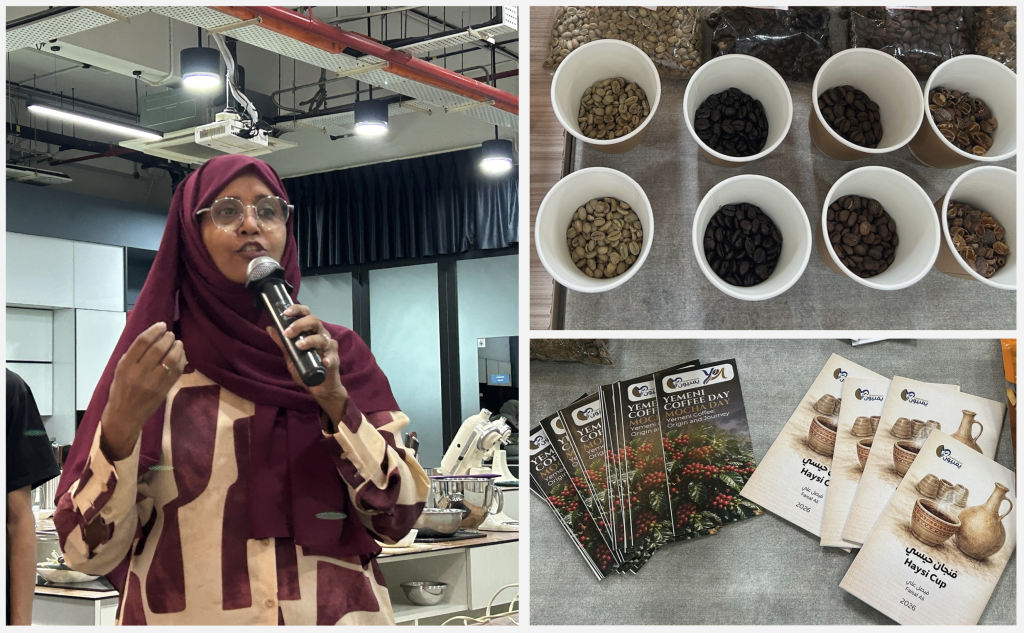
She is also a member of UNHCR’s Refugee Advisory Board, which advocates for refugees from all backgrounds living in Malaysia – from Myanmar to Palestine, Syria to Yemen. It is a role that keeps her close to realities many Malaysians may not fully see, including what it feels like to live under the label of a ‘refugee’.
Sometimes the word ‘refugee’ can place people in a box, making them feel like they do not fully belong. Unlike a foreigner who comes and goes, a refugee cannot return home. – Dr N
That feeling has a legal dimension too, as Malaysia is not a signatory to the 1951 UN Refugee Convention and does not have domestic laws that legally recognise refugees, leaving many without formal protection in their daily lives.
This is why standing in solidarity with refugees on days like World Refugee Day is so important.
On a day like this, it feels like the world is saying: “We are with you. We support you. We stand beside you.” This one day brings a sense that the world is acknowledging our challenges and what it truly means to be a refugee. It gives us strength. – Dr N
You Can Be A Hope Giver
Behind every craft in this story is a human story of loss, of rebuilding, and of refusing to be defined by either.
When given safety, opportunity and hope, refugees can be contributors, creators, entrepreneurs, and community leaders. – UNHCR Malaysia
That opportunity is real and urgent. As of February 2026, there are 215,600 refugees and asylum-seekers registered with UNHCR in Malaysia. Among them are over 126,000 Rohingya, more than 3,000 Yemenis, and thousands of others from over 50 countries. Some 24% are women. More than 64,000 are children under the age of 18[1].
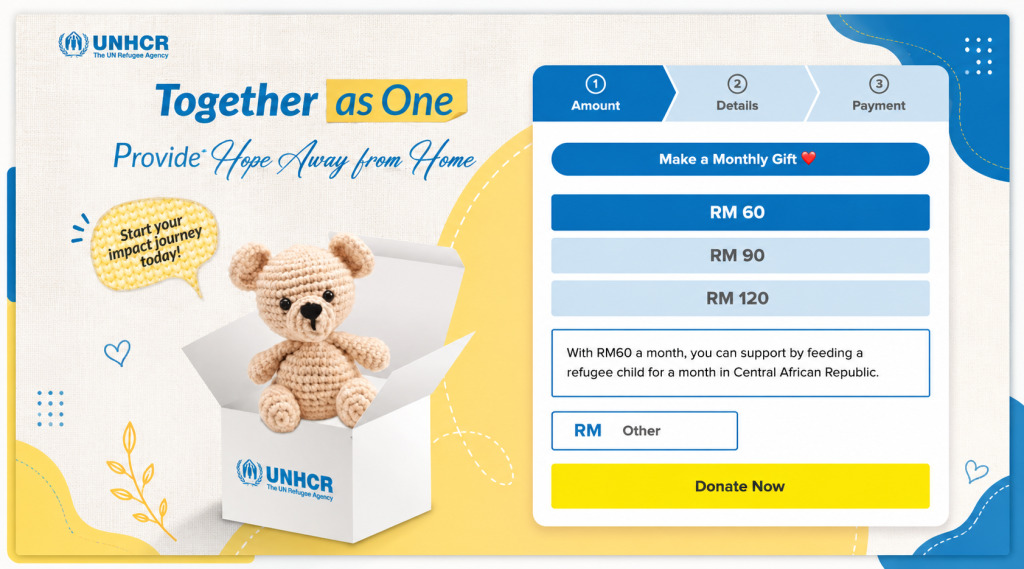
This World Refugee Day, the UNHCR Hope Away From Home campaign gives you a direct and meaningful way to respond. Start a monthly donation of RM60 and receive Hope, a crochet bear handcrafted with care and love by refugee artisans in Malaysia. It is a symbol of resilience and possibility, made by hand and given with purpose.
Together, we can help refugees rebuild their lives with dignity. Be a hope-giver today. Donate now!
* Names have been changed to protect the privacy and safety of those featured.
Explore Our Sources:
- UNHCR. (2026). Figures At A Glance. Link.