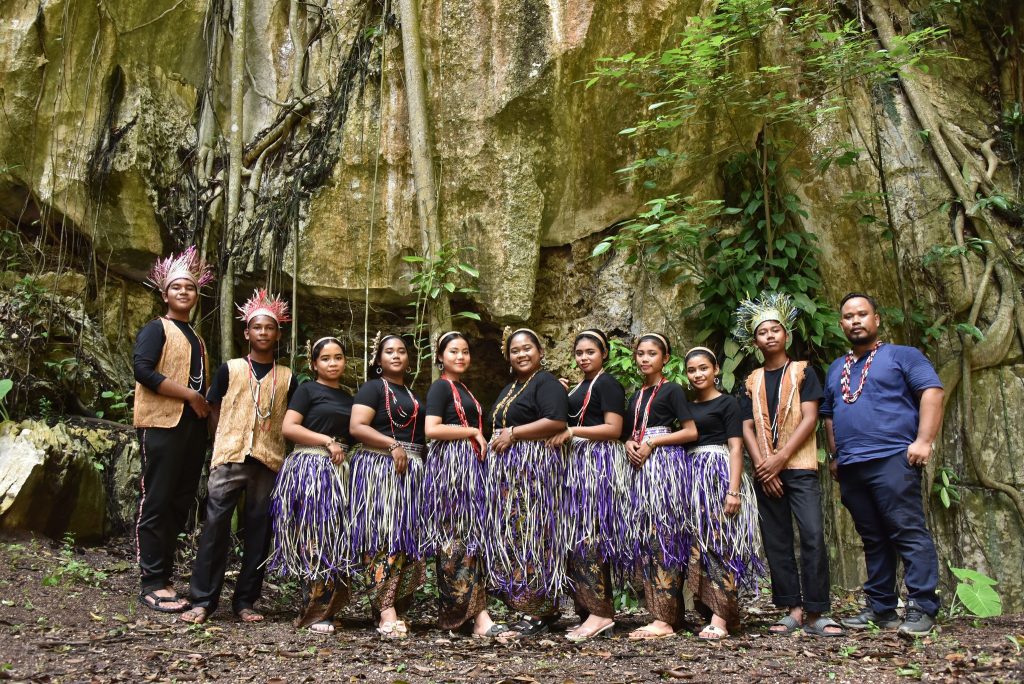
Every year on 9 August, the world marks the International Day of the World’s Indigenous Peoples, recognising the diverse cultures and histories of indigenous communities everywhere. Malaysia is home to one of Southeast Asia’s richest indigenous landscapes.
According to the 2020 census, indigenous peoples made up about 11% of the country’s 32.4 million population[1]. Altogether, Malaysia boasts an incredible record of around 111 to 137 living indigenous languages, though two have been classified as extinct[2].
Despite often being grouped together as an umbrella term, indigenous Malaysians can be categorised into three groups according to where they’re based.
- Sabah: Home to the country’s largest indigenous population, making up about 62% of the state’s residents. Collectively known as Anak Negeri, they comprise 39 subgroups, the largest being the Dusun, Murut, Paitan and Bajau.
- Sarawak: Known as Dayak or Orang Ulu, this population spans 27 groups, including the Iban, Bidayuh, Kenyah, Kayan, Kedayan, Kelabit, Berawan, Kejaman, Ukit, Sekapan, Melanau and Penan, among others.
- Peninsular Malaysia: Indigenous people here are called Orang Asli, comprising 18 subgroups across the Negrito, Senoi and Proto-Malay peoples[3].
A 2006 study of Peninsular Malaysia found that 36.9% of Orang Asli settlements were in remote areas and 62.4% in rural ones, with just 0.7% located in cities[4]. Those numbers have likely shifted since, but the vast majority of these communities still live in deep interior or forest fringe environments.
That geographic isolation is part of why indigenous Malaysians remain marginalised. Many areas still lack all-weather roads and reliable digital connectivity, and ancestral territories are routinely encroached on for logging and large-scale plantations.
Much of this stems from the Aboriginal Peoples Act 1954, which governs Orang Asli land administration in Peninsular Malaysia and has long been criticised for giving communities little real security over land they have occupied for generations, while offering only limited compensation when it is cleared. Indigenous communities also remain politically underrepresented, and national education curriculums have historically overlooked indigenous needs and languages[5, 6].
Challenging The Status Quo
Despite these barriers, a new generation of indigenous Malaysians is reshaping what leadership looks like. Being indigenous today, they argue, isn’t only about preserving culture. It’s also about running businesses, defending forests, working with new technology and building opportunities for the next generation.
#1: Eliana Tan Benghui
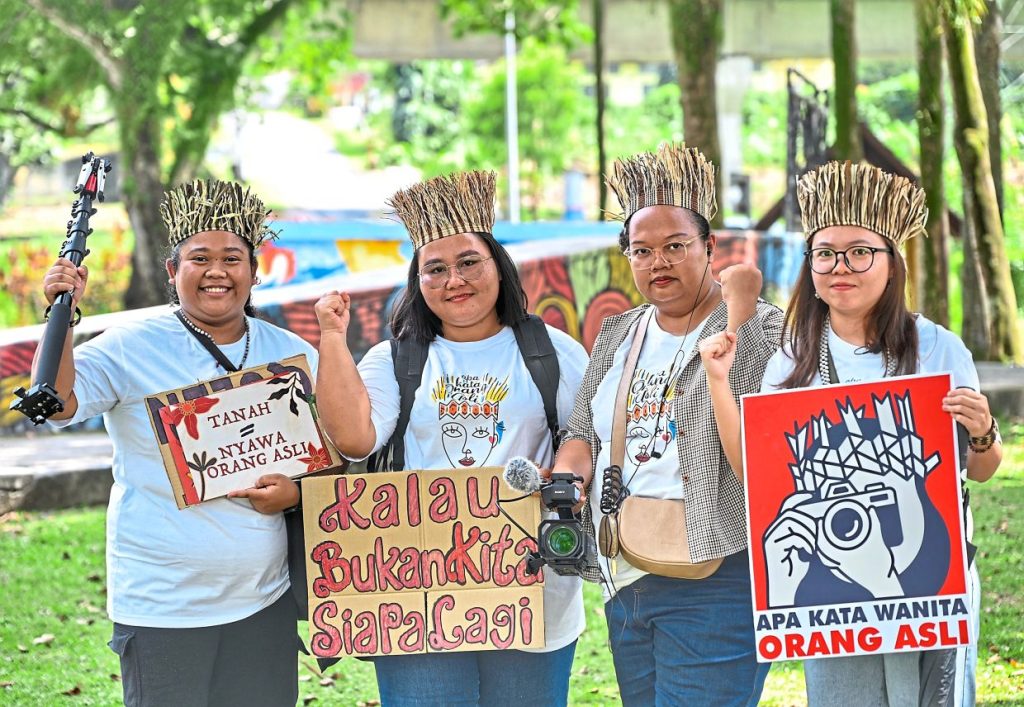
A member of the Jakun community in Pahang, Eliana works with Apa Kata Wanita Orang Asli, using short documentary films for grassroots advocacy. By filming daily life in her home village, she helped galvanise opposition that stopped a large-scale industrial “Padi Project” from clearing hectares of surrounding forest.
I thought, ‘If not me, then who will lead and inspire my people?’. – Eliana Tan, Apa Kata Wanita Orang Asli[7]
#2: Sa’ap Baharom

A young footballer from the Bateq tribe in Gua Musang, Kelantan, Sa’ap started playing at seven while attending Sekolah Kebangsaan Pasir Linggi, where his teachers encouraged him to compete at higher levels. His talent eventually caught the attention of Johor Darul Ta’zim, and in 2023, at just 12 years old, he became the first player from the Bateq tribe to sign with the club’s academy[8].
I am determined not to squander the opportunity to hone my talent so that I can become a professional player one day. I want to change my family’s fortunes. – Sa’ap Baharom
#3: Leny Maknoh
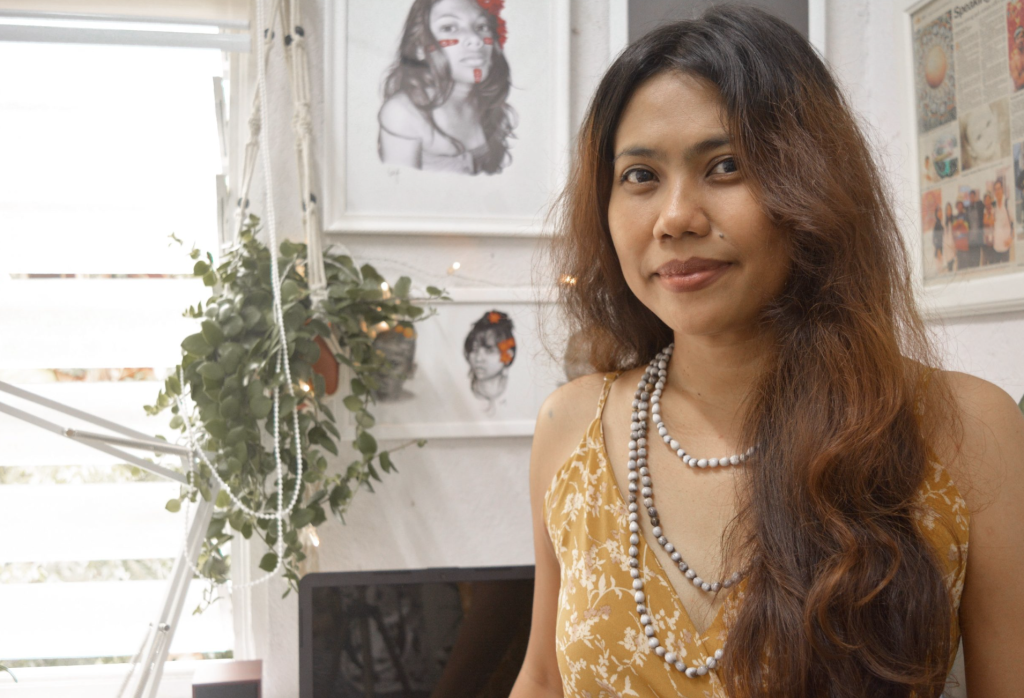
A hyperrealist artist from the Temuan tribe working mainly in graphite pencil, Leny draws her own community as her primary subject, weaving in leaves, insects, flowers and animals to capture the spiritual bond between Orang Asli identity and the forest. Her work has been shown at national platforms including the Georgetown Festival.
In every piece of artwork I created, it holds stories about our people and the richness of our history, traditions & culture. – Lenny Maknoh[9]
#4: Ronnie Bahari
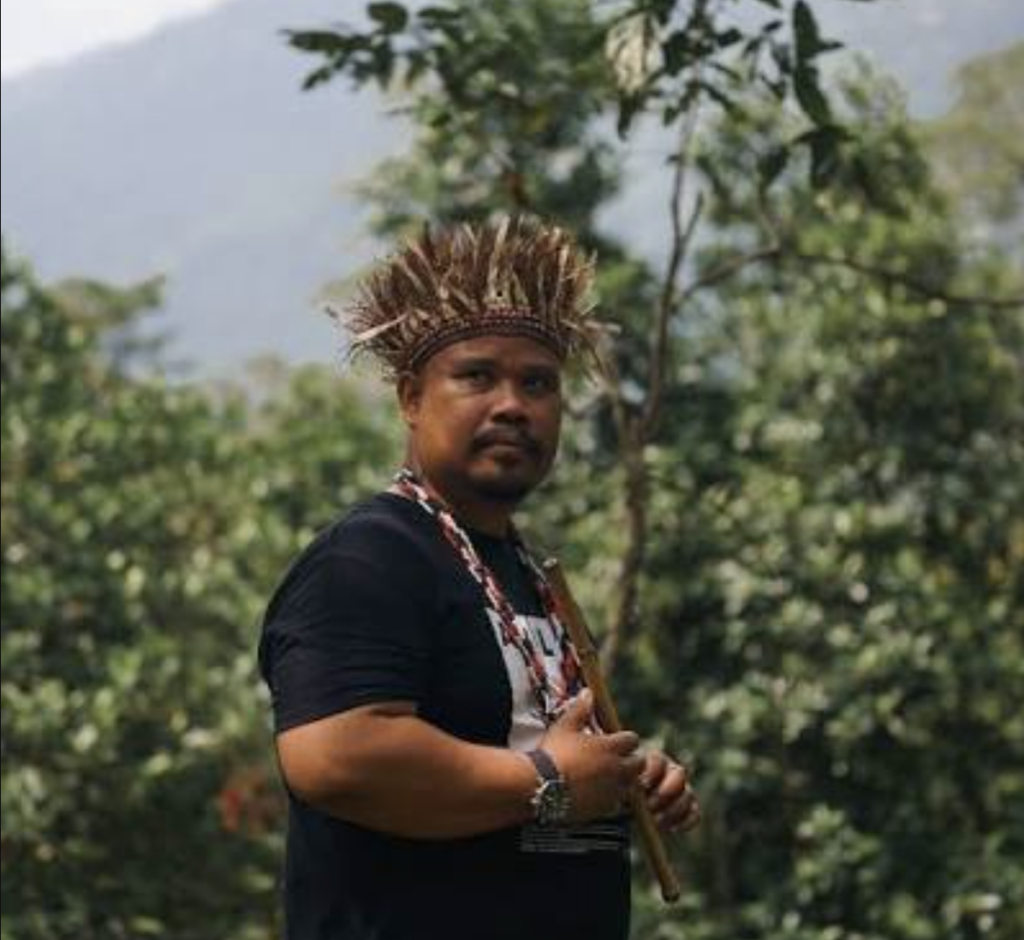
A self-taught photographer of Semai descent from Kampung Sahom, Perak, Ronnie picked up a camera because he was tired of outsiders portraying Orang Asli communities through stereotypes. He founded Persatuan Kebudayaan dan Kesenian Orang Asli Perak to promote indigenous heritage through photography, fashion and cultural programming, and organised a traditional attire contest that drew over 2,700 Orang Asli youth from 15 of the 18 recognised tribes. His documentary on disappearing Semai cave art, Karoog Kiha Nyep, screened at the 59th Venice Biennale.
Not many are able to capture the true stories behind the people of my community, and the people who do, at times, portray us in a way that furthers inaccurate stereotypes about us. There’s also very little representation in the way we look. Seeing that, I made it my purpose to fight the stereotypes and give an accurate representation of my people. – Ronnie Bahari[10]
#5: Maslah Rompado
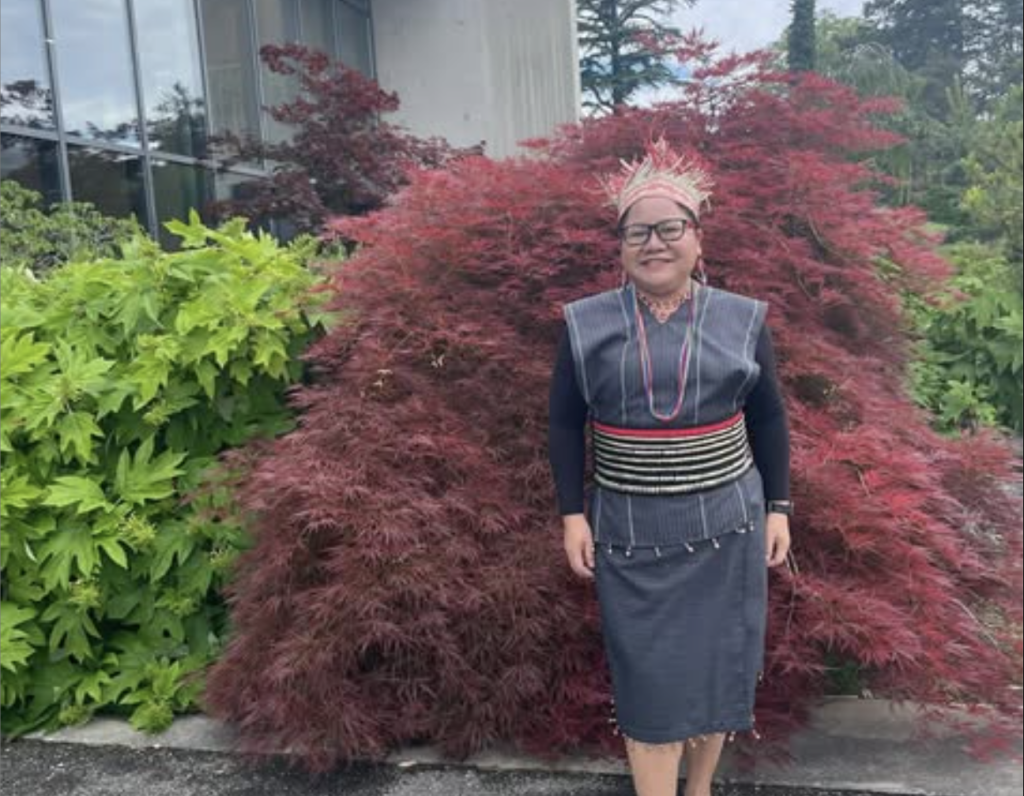
A Dusun Tinagas advocate from Pitas, Sabah, Maslah leads Pertubuhan Wanita Orang Asal Malaysia, where her work spans gender-inclusive land policy, reviving traditional weaving and teaching women to map their own customary land. In 2024, she became the first Orang Asal woman from Malaysia to deliver an oral statement to the UN Committee on the Elimination of Discrimination against Women in Geneva, part of a push for stronger legal protections, education and land access for indigenous women.
The participation of Indigenous women and girls is crucial for the country’s progress as it ensures that diverse perspectives, experiences, and knowledge are included in decision-making processes. – Maslah Rompado[11]
Explore Our Sources:
- IWGIA. (2026). Indigenous World 2026: Malaysia. IWGIA Articles.Link
- Ethnologue. (n.d.). Malaysia Country Profile. Ethnologue Profiles.Link
- SSRN. (n.d.). Research on Orang Asli in Peninsular Malaysia. SSRN Electronic Journal.Link
- KW Publications. (n.d.). The Orang Asli Profile in Peninsular Malaysia: Background & Challenges. International Journal of Academic Research in Business and Social Sciences.Link
- ScienceDirect. (2023). Orang Asli studies and health perspectives in Malaysia. ScienceDirect Journal.Link
- The Borgen Project. (n.d.). Orang Asli in Malaysia. The Borgen Project Articles.Link
- Free Malaysia Today. (2023). Orang Asli women are speaking up and getting heard. FMT Leisure.Link
- Berita Harian. (2023). Saap tekad julang suku kaum Bateq di JDT. Berita Harian Sukan.Link
- GERIMIS Art Project. (n.d.). Temuan Indigenous Artist Leny Maknoh: Bringing Life Through Pencil. GERIMIS Feature Stories.Link
- K. Chang. (2025). Orang Asli Activist Fights Stereotypes Through Photography. Link.
- M. Teoh. (2024). Championing the rights of indigenous women and girls in Malaysia. The Star. Link.