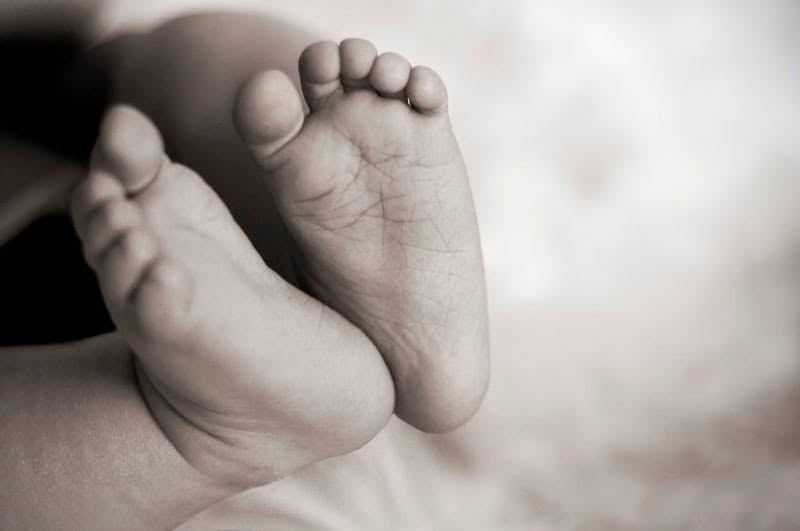
In the first three months of 2026 alone, 18 babies were rescued after being abandoned by their mothers across Malaysia. Deputy Women, Family and Community Development Minister Lim Hui Ying raised the figures in parliament: Selangor recorded the highest number of cases at 10, followed by Sabah and Penang with two each, and Johor, Negeri Sembilan, Perak and Sarawak with one each[1].
Behind every single one of these numbers is a story of isolation; a young woman being forced to commit such an act as a last resort. To understand this issue of baby dumping, we must look beyond the shocking headlines and understand the broader, systemic issues that push terrified mothers into a corner.
Understanding The Issue
Baby dumping is when a parent or caregiver leaves a newborn or young child in an exposed, unsafe location with no provision made for their care or survival. Under Section 317 of the Penal Code, abandoning a child under the age of five carries a sentence of up to seven years in prison, a fine, or both[2]. Unlike safe surrender, baby dumping is not done with the intention of saving the child’s life.
Unplanned pregnancies, often rooted in gaps in sexuality and legal education, are one of the biggest drivers of baby dumping. Many young people simply grow up without a solid grounding in basic biology, contraception, and consent[3].
That gap collides with Malaysia’s conservative social climate, where an out-of-wedlock pregnancy can bring intense shame and humiliation, sometimes including rejection from one’s own family.
Many unwed women and teen mothers give up their babies because they are unable to face their families, let alone a society that shuns them.– Yuzila Yusof, Chief Operating Officer, OrphanCare[4]
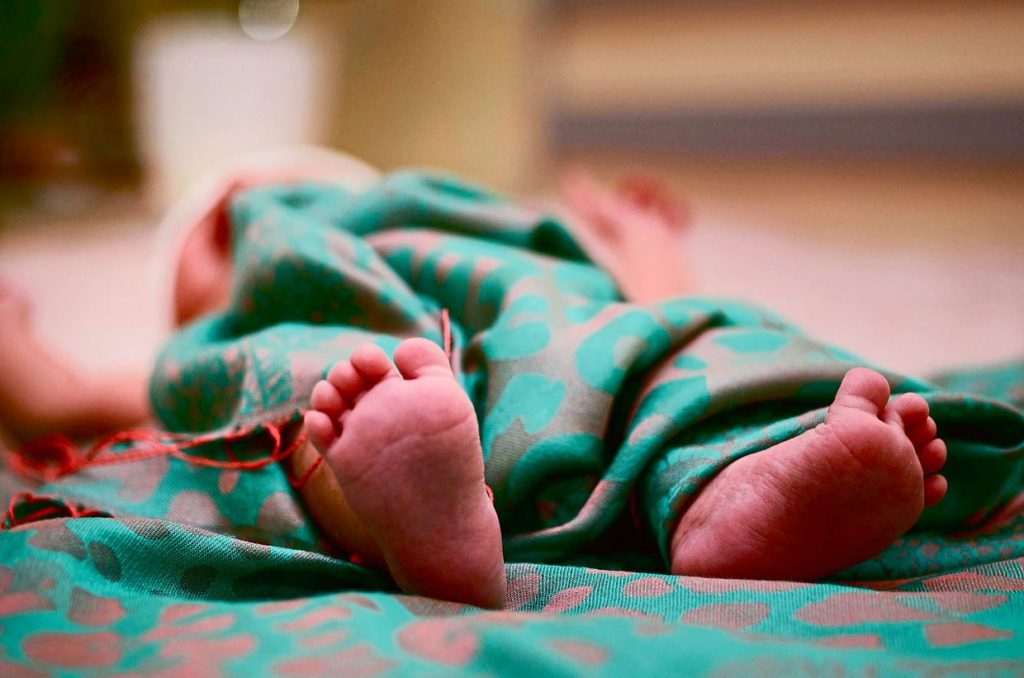
Yvonne, a successful entrepreneur, experienced tremendous societal pressure and was left with no choice but to give up her baby to OrphanCare. She hid from her family before giving birth. Without pre-existing stereotypes and disrespectful behaviour towards unmarried mothers, she says that without the stigma and judgment aimed at unmarried mothers, she would have kept her child[4].
A lot was going on in my mind when I found out I was pregnant. I thought about the baby growing up without a father, and whether I am capable of bringing the baby up as a single mother without the help of family and friends. – Yvonne, 30-year-old entrepreneur[4]
Financial pressure compounds the problem. The cost of childbirth and raising a child can feel insurmountable for mothers who are unemployed or already living in poverty. And beneath all of it sits the psychological toll of an unplanned pregnancy: women who have spent nine months hiding in fear often don’t realise they aren’t alone, or that help exists[5].
At that point in time, overwhelmed with fear and desperation, these women who have been hiding themselves in fear for nine months or so commit these acts on the brink of insanity. – Syirin Junisya, Executive Director at the Federation of Reproductive Health Associations Malaysia[4]
The case of M. Santhiea illustrates just how tangled these pressures can become. In July 2020, then an 18-year-old college student, Santhiea threw her newborn from the 13th floor of her family’s apartment in Bandar Baru Air Itam, Penang.
She was initially charged with murder, an offence carrying the death penalty, but after spending months in detention, the prosecution reduced the charge to infanticide under Section 309A of the Penal Code, which applies when a mother kills her newborn while in a disturbed state of mind following childbirth.
In August 2025, the High Court in George Town fined her RM10,000 instead of imprisoning her, citing her diagnosis of major depressive disorder, her ongoing risk of suicide, and psychiatric reports showing deep remorse[6][7].
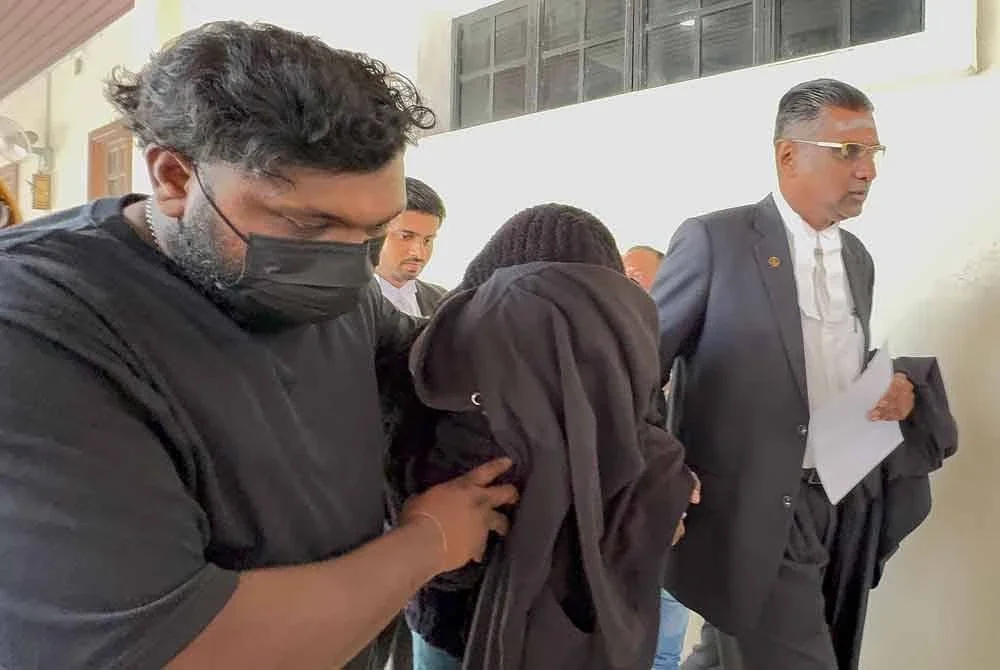
Cases like Santhiea’s show why courts and lawmakers increasingly treat postpartum mental health as central to how these tragedies are understood, rather than treating them as simple criminal acts.
The Numbers Tell A Story
Before the COVID-19 pandemic, baby dumping in Malaysia peaked at 128 cases in 2018 and 125 in 2019, before dropping to 104 in 2020 and 86 in 2021, a decline researchers largely attribute to the movement restrictions of the pandemic-era MCO rather than any deeper shift in root causes. Case numbers have continued to trend downward since, with the ministry recording 72 cases across all of 2025 compared to the first quarter’s pace this year[8][9].
Intervention efforts have made a real difference too. Between 2022 and 2025, official records show 175 infants under one year old were rescued and placed under protective care. But the flip side of that statistic is sobering: more than half of the babies who are dumped are found dead, a reminder that for most of these infants, rescue efforts arrive too late[10].
Working Together To Reduce The Loss Of Abandoned Babies
Across the country, government agencies, healthcare providers, and NGOs are working to reach women earlier, before abandonment becomes the only option they feel they have. A few examples:
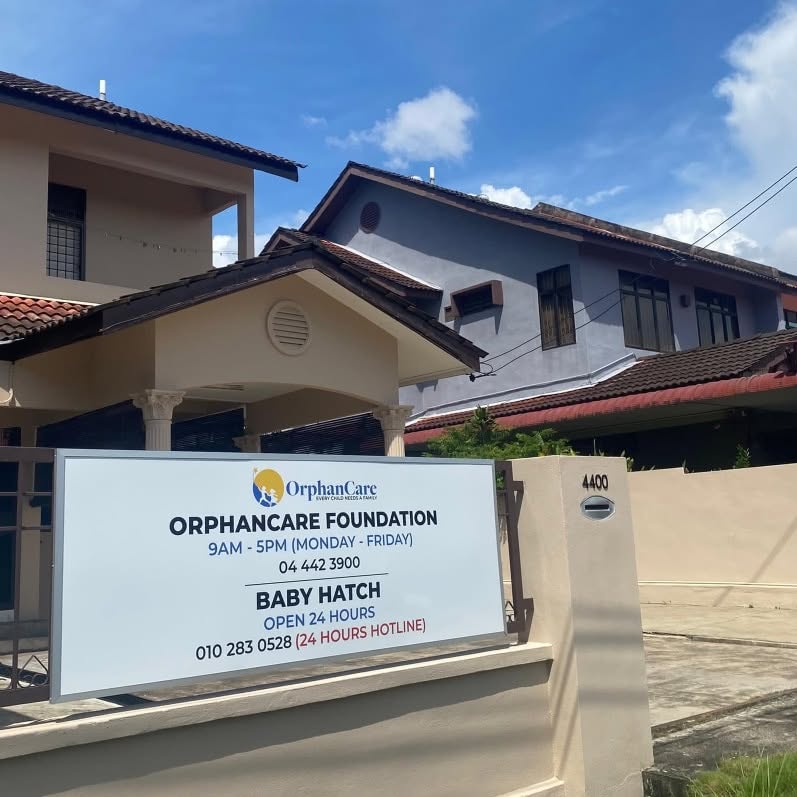
- The Baby Hatch programme, run by OrphanCare Foundation in partnership with hospitals, gives mothers unable to care for their newborns a safe, anonymous place to leave them. Malaysia’s first baby hatch opened in 2010, and the network has since expanded nationwide so that infants receive immediate medical care and protection[11].
- NGOs such as OrphanCare Foundation, Women’s Aid Organisation, and Befrienders offer confidential counselling, adoption services, and emotional support to women facing unplanned pregnancies — helping them make informed decisions without fear of judgment.
- Government agencies, including the Social Welfare Department (JKM) and the National Population and Family Development Board (LPPKN), run nationwide awareness campaigns on parental responsibility, family values, child protection, and the legal consequences of abandonment. LPPKN’s KafeTEEN Programme has reached more than a million adolescents with education on reproductive health and the risks of unsafe sexual behaviour[1].
Through the programme, adolescents are exposed to abstinence practices using refusal techniques to prevent out-of-wedlock pregnancies, sexually transmitted infections, partner exploitation and emotional distress. – Lim Hui Ying, Deputy Minister of Women, Family and Community Development[1]
Where To Seek Help
If you or someone you know is facing an unplanned pregnancy or crisis, these contacts are available:
- Talian Kasih 15999 (or WhatsApp 019-261 5999): 24-hour support by the Ministry of Women, Family and Community Development.
- OrphanCare Foundation: Crisis pregnancy support, baby hatch information and adoption services.
- LPPKN (National Population and Family Development Board): Family counselling and reproductive health services.
- Government hospitals and Klinik Kesihatan for maternal healthcare and counselling referrals.
Ultimately, baby dumping is not a problem that punishment alone can fix. It calls for a multi-pronged response that includes: comprehensive sexuality education, stronger family and community support, wider awareness of the services already available, and accessible crisis counselling.
Explore Our Sources:
- New Straits Times. (2026). 18 baby abandonment cases recorded in first quarter of 2026. New Straits Times Nation. Link
- BurgieLaw. (n.d.). Section 317 – Penal Code. BurgieLaw Resources. Link
- The Star. (2020). Nine babies dumped every month. The Star Focus Features. Link
- Channel NewsAsia. (2020). Malaysia’s abandoned babies: Unwed mothers driven to drastic measures by stigma, lack of support. CNA Asia Features. Link
- OrphanCare. (2021). Reasons why parents would abandon their children: How to combat this. OrphanCare Articles. Link
- The Star. (2020). College student charged with murdering newborn baby. The Star Nation. Link
- Malay Mail. (2025). Penang woman admits to throwing baby out window, gets RM10,000 fine. Malay Mail Malaysia. Link
- Sinar Daily. (2022). Baby dumping still rampant. Sinar Daily National Focus. Link
- MalaysiaNow. (2023). 256 baby dumping cases recorded from 2020 to 2022. MalaysiaNow News. Link
- New Straits Times. (2026). Nancy Shukri: 175 babies rescued from abandonment between 2022 and 2025. New Straits Times Nation. Link
- OrphanCare. (n.d.). About Us. OrphanCare Foundation. Link