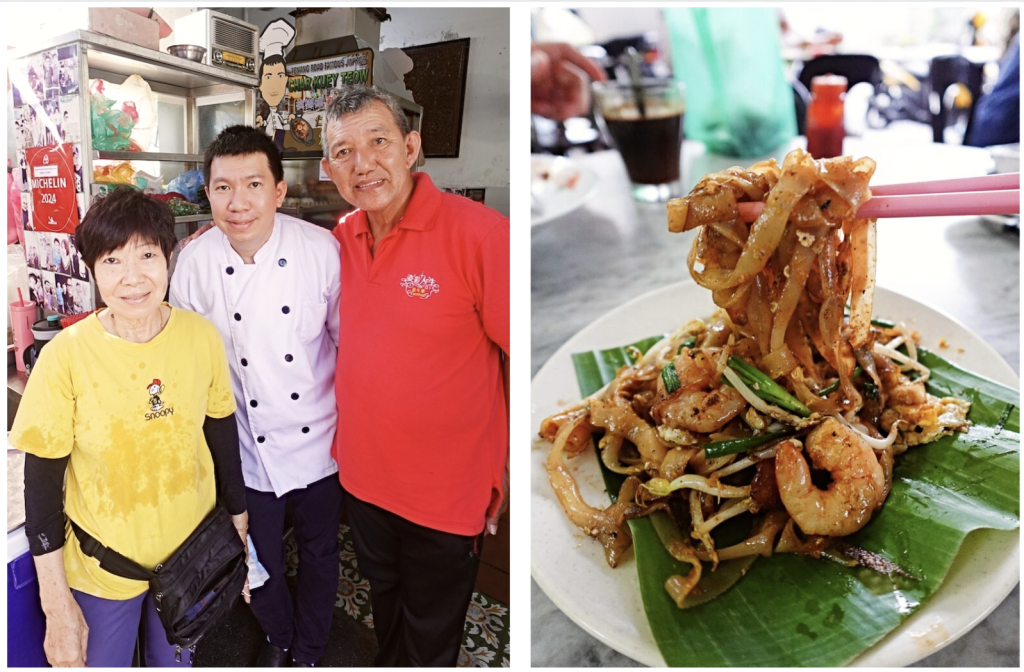
For more than three decades, 69-year-old Lim Chong Jin, better known as Jin Kor, has been running one of Penang’s most renowned char kuey tiao stalls alongside his wife and son.
Recognised by the MICHELIN Bib Gourmand, Lim recalls growing up in a low-income family, helping around in food-related businesses before a char kuey teow man offered to pass on his recipe to him[1].
One day, he said he would share his recipe with me – free-of-charge, because he felt sorry for me, having to support two sons on my meagre income as a hawker stall assistant.– Lim Chong Jin, owner of Jin Kor Char Kuey Teow[1]
Lim is among many who have turned cooking Malaysia’s iconic dishes as roadside vendors into sustainable livelihoods. Today, Jin runs Penang Road Famous Jin Kor Char Kuey Teow at Joo Hooi Coffee Shop alongside his wife, Ong Cheng Choo, 62, and their son, Lim Eng Oon, 42. The family has been serving customers together since 1995. In fact, our street food culture is a survivor of a bumpy history, and received a very different public outlook years ago.
How Far Back Does Street Food Go?
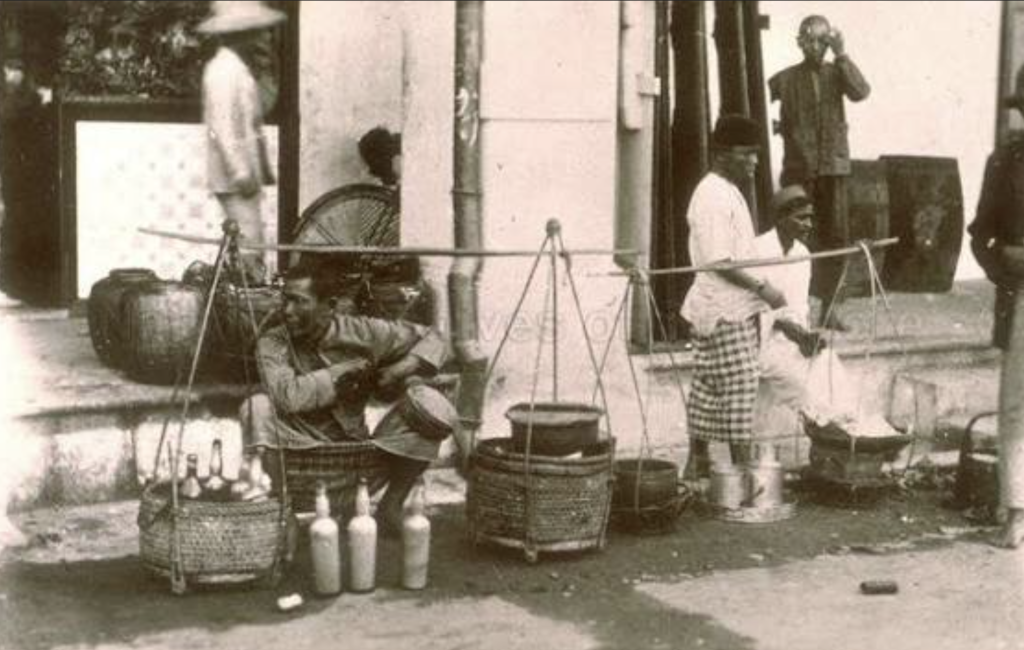
Street hawking can be traced back to the mid 19th century, when it became a popular income generator for unskilled locals and immigrants due to its flexibility. Apart from food vendors, farmers sold their own produce, and some vendors sold cheap wholesale daily use goods along the streets. Many walked with poles on their shoulders, or used tricycles and bicycles to move from one place to another.
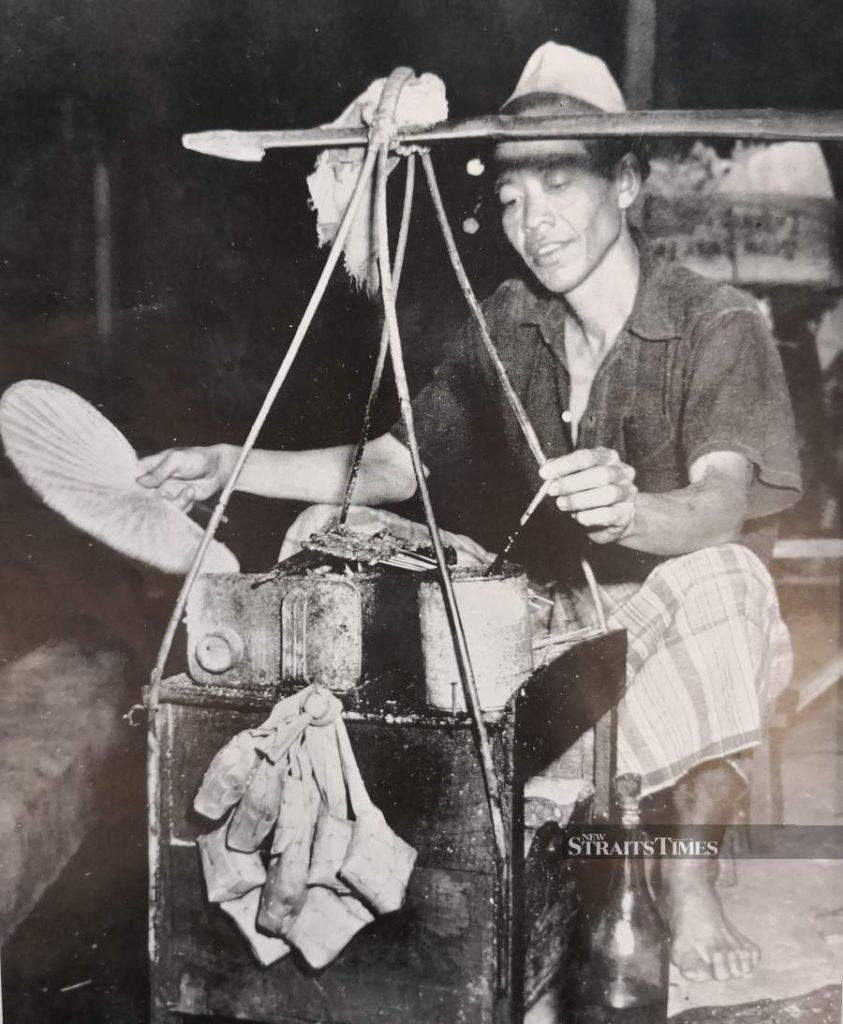
Particularly during periods of severe hardship, such as the Great Depression and the Second World War, hawker numbers proliferated. Throughout the war, with rice in short supply, vendors often pedalled from village to village bearing tapioca they grew from their home patches, creatively turning it into starchy foods like tapioca noodles or pan-fried root crops[2].
Demand was high because people needed affordable ways to get enough food when supplies were limited and rationed. Buying vegetables also helped families save money on meals. At the same time, many people had lost their jobs, so selling vegetables became a way for them to earn an income[3].
The period after the war saw a surge in culinary creativity once food resources slowly replenished, as street hawkers perfected family recipes from before the war under mounting competition, evolving into the modern-day street food scene serving nasi lemak, pisang goreng and roti prata.
Because street hawkers were part of the informal economy, they operated in a legal grey area and were once seen as a nuisance by local authorities. However, the public soon recognised that they played an important role in the economy by providing jobs and helping people escape poverty. As a result, it became clear that street hawkers were here to stay.
In the 1970s, the government began formalising the sector through a new National Policy on Hawkers. The policy gave licensed street vendors legal recognition, protecting them from having their stalls confiscated or facing legal issues. As the policy was implemented, the number of licensed hawkers grew from fewer than 5,000 in 1970 to more than 38,000 by 2000.
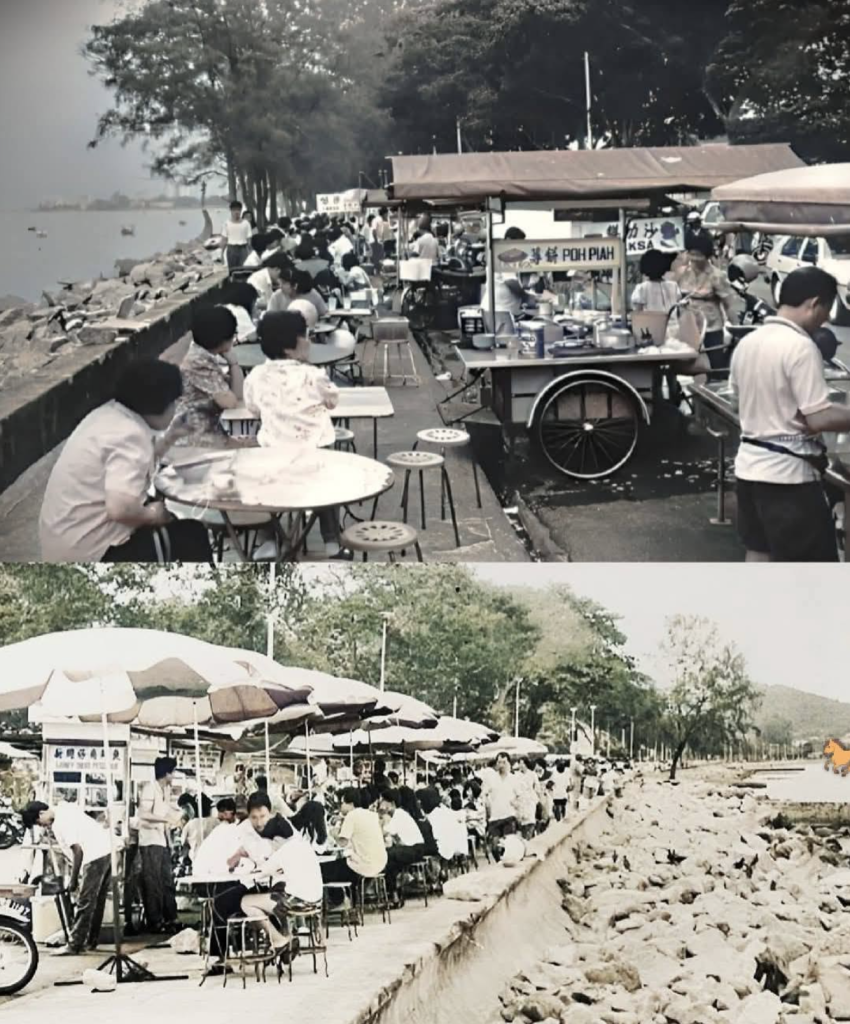
Today, street vendors are regulated by the Ministry of Entrepreneur Development and Cooperatives through local municipal councils[4].
Socio-economic Impacts of Street Food
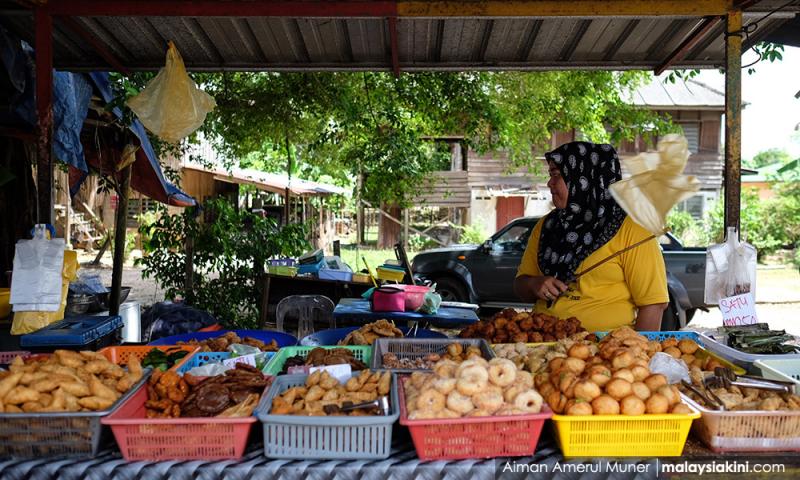
Street food has become one of the most important parts of Malaysian culture. Street vendors make up 15% of the informal sector and help attract foreign tourists eager to experience authentic local food cooked with wok hei. Their businesses encourage local spending, contribute to Malaysia’s GDP, and help preserve recipes that have been passed down through generations, keeping local culinary heritage alive[4].
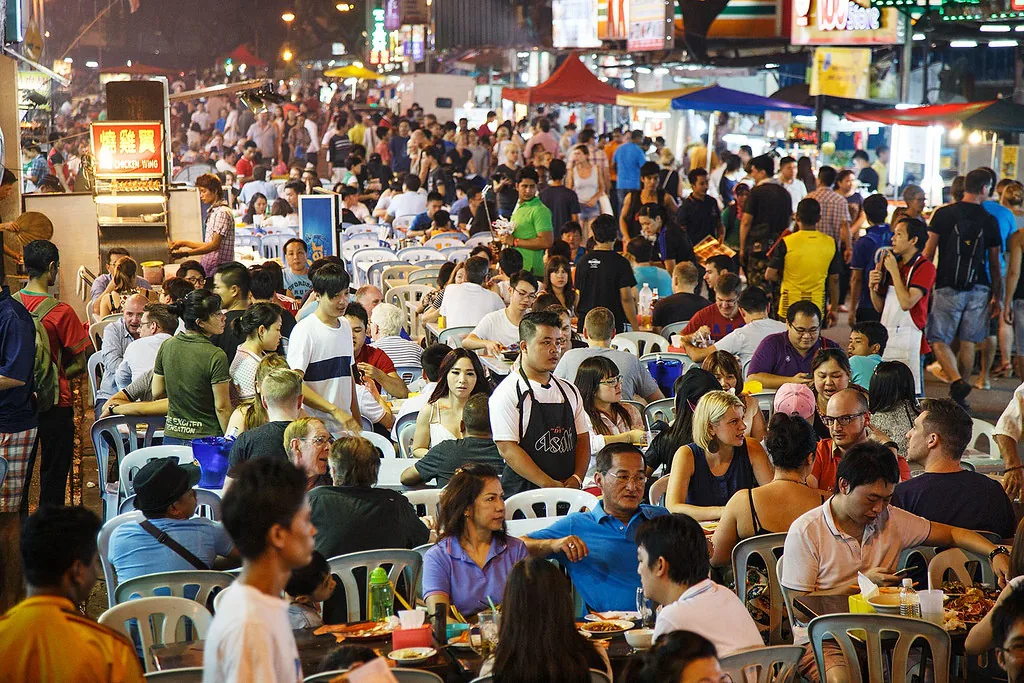
Street vendors also come together on designated days to form pasar malam (night markets) and hawker streets. These vibrant public spaces bring communities together, support small-scale entrepreneurs and help reduce inequality. On a daily basis, street food also provides students and working adults with affordable, convenient meals that fit busy lifestyles[5].
Challenges faced and posed by street food vendors
The temporary, on-the-move nature of street food is often what keeps it less pricey than restaurants, which deal with higher costs such as rent. Yet these open-air settings bring their own difficulties, including:
- Limited access to proper waste disposal, clean water and food storage facilities, making it harder to maintain consistent hygiene standards, especially during busy periods. There have been multiple cases of food and water poisoning in the past, including salmonella infections and, in rare cases, deaths.
- Improper temperature control for food.
- The use of low-cost plastic packaging that may contain harmful chemicals.
Researchers have also advised against consuming street food too frequently. While often delicious, many street food dishes are high in salt, fat and sugar, which can contribute to long-term health problems[5].
The pressure runs both ways. Hawkers face rising ingredient and operating costs, limited access to financing, and increasing competition from larger retailers and food delivery platforms.
For those operating informally, inconsistent municipal enforcement and the continued presence of unlicensed vendors create additional uncertainty, making it harder for many hawkers to sustain their businesses while maintaining quality and affordability[6].
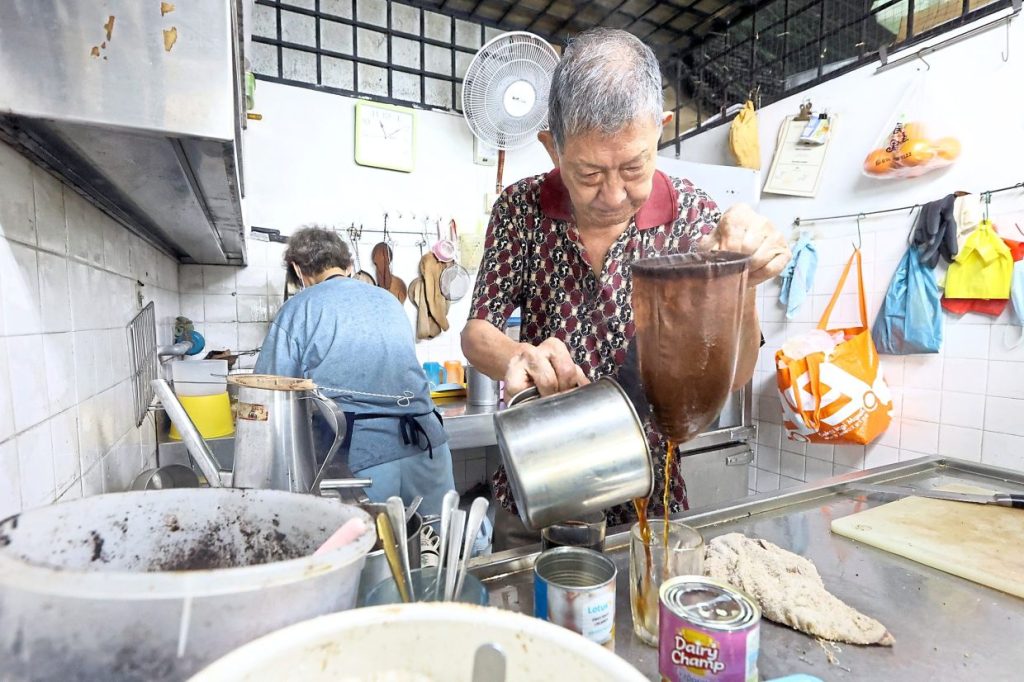
Goh Soi Chong, a hawker who sells kaya toast in Johor Bahru, expressed frustration at how he was forced to raise his prices as essential ingredients shot up in cost.
The price of one large tin of kaya, weighing about 4kg, is now RM70 compared to just RM40 a few years ago… There is no way I can keep my business running at the old price. – Goh Soi Chong, 75-year-old trader[7]
Another hawker selling noodles, Jason Chen, shared how he turns to reducing the serving size of his food rather than raising prices directly.
I reduced the portion and used fewer pieces of meat or seafood. That is the only option we have. We either reduce portions or increase prices. – Jason Chen, 39-year-old hawker[7]
What has the government been doing to help?
Recognising the importance of hawkers to Malaysia’s economy and cultural identity, governments at both the federal and local levels have stepped up efforts to strengthen the sector. It is now no longer uncommon to spot more permanent structures and dedicated space allocated for food vendors, while street food culture itself is still preserved.
In Kuala Lumpur, DBKL has invested RM200 million to upgrade 287 hawker sites, improving infrastructure and public amenities, while reducing rental rates for hawker lots and markets until the end of 2027 to help ease rising operating costs[8, 9].

This initiative is expected to benefit more than 10,000 hawker sites and small business premises in Kuala Lumpur, while helping to reduce the operating cost burden faced by hawkers and micro traders in the city. – YB Hannah Yeoh, Minister in the Prime Minister’s Department (Federal Territories)[9]
At the national level, the National Hawkers and Small Traders Development Policy 2030 focuses on expanding access to financing and social safety nets while encouraging hawkers to adopt technology to improve business resilience[10].
This programme goes beyond providing financial support; it also fosters a conducive and competitive business environment. – Prime Minister Anwar Ibrahim[10]
Meanwhile, initiatives such as the Clean, Safe and Healthy (BeSS) certification programme have helped reduce reported food poisoning cases by promoting higher hygiene standards among food operators[11].
Together with improvements in access to clean water, handwashing facilities and waste management, these efforts aim to make street food safer and more sustainable while preserving the affordability, accessibility and cultural value that have long defined Malaysia’s hawker scene[6].
Addressing these pressures will require more than government policies alone. It also depends on recognising the people behind the stalls and the generations of tradition they represent.
So maybe that’s the real takeaway here – the next time you’re deciding where to eat, skip the mall. Walk down the street instead. That stall might be someone’s thirty-year recipe, their kids’ school fees, their whole livelihood, and it’s still standing because people like you kept coming back.
Together, we can keep Malaysia’s street food culture alive and thriving.
Explore Our Sources:
- Michelin Guide. (2024). Behind the Bib: Penang Road Famous Jin Kor Char Kuey Teow. MICHELIN Guide Features. Link
- The Star. (2026). How tapioca saved many Malaysians during the Japanese Occupation of Malaya. The Star Lifestyle Features. Link
- New Straits Times. (2019). Tracing our hawker roots. NST Lifestyle Sunday Vibes. Link
- Khazanah Research Institute. (2021). Hawkers and Hawking Space in Malaysia: A Case Study. KRI Publications. Link
- Khazanah Research Institute. (2022). Street Food in Malaysia Part I: Nutritional Concerns and Policy Considerations. KRI Publications. Link
- Khazanah Research Institute. (2022). Street Food in Malaysia Part II: Food Safety Governance and Operational Realities. KRI Publications. Link
- The Star. (2025). Hawkers strive to keep prices low, says Goh Soi Chong. The Star Metro. Link
- New Straits Times. (2026). DBKL spends RM200mil to upgrade 287 hawker sites. NST Nation. Link
- The Star. (2026). DBKL halves rent for hawker lots, markets until end-2027. The Star Metro News. Link
- Free Malaysia Today. (2025). Hawkers, small traders key to economic growth, says Anwar. FMT Nation. Link
- New Straits Times. (2025). Food poisoning cases drop nearly 6,000 this year. NST Nation. Link