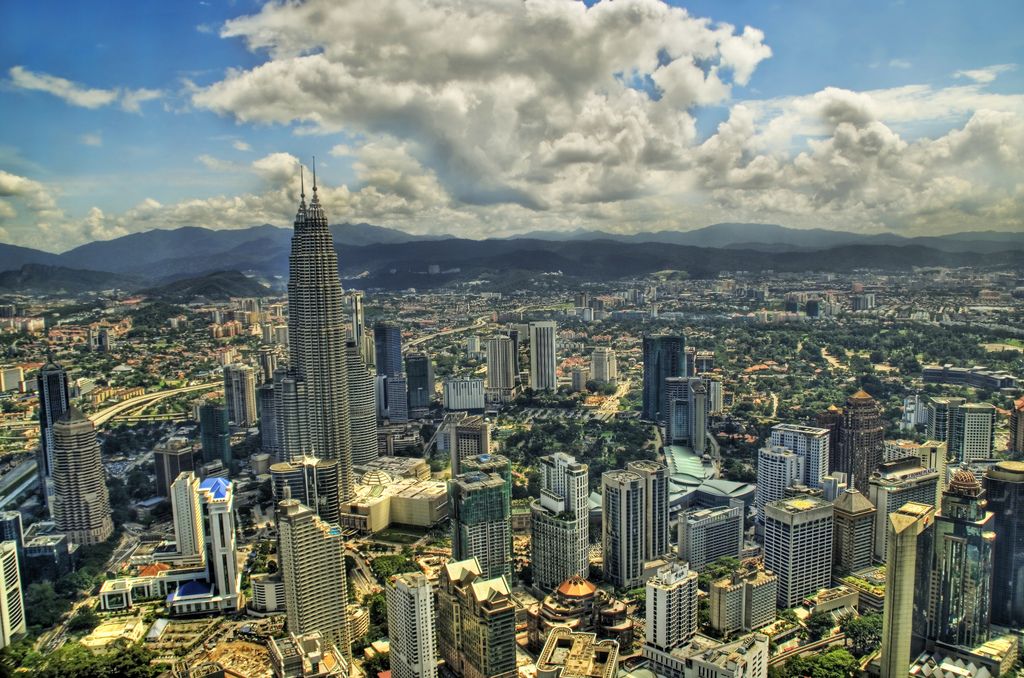
Kuala Lumpur is Malaysia’s capital, home to nearly two million residents and the seat of Parliament. It is a city of glass towers and crowded neighbourhoods, hawker centres and flash-flood alerts, cranes that never seem to leave the skyline.
Yet unlike many major cities around the world, the people who live here do not elect their mayor.
Instead, Kuala Lumpur’s mayor is appointed by the federal government under provisions set out in the Federal Capital Act 1960[1].
That arrangement has existed for decades, but it has recently come under renewed scrutiny. In recent months, Members of Parliament have raised the possibility of introducing mayoral elections for the capital. A feasibility study has been announced, and a Private Member’s Bill proposing amendments to the law governing Kuala Lumpur’s administration has been tabled[1,2].
What was once a discussion largely confined to civil society groups and policy circles is now being debated in Parliament.
At its core lies a straightforward but important question: Who should ultimately decide how Malaysia’s capital is governed – the federal executive, or the residents of Kuala Lumpur themselves?
Who Actually Runs Kuala Lumpur?
Kuala Lumpur is administered by Dewan Bandaraya Kuala Lumpur (DBKL), the city’s local authority responsible for managing municipal affairs across the Federal Territory.
Established in 1972 when Kuala Lumpur was granted city status, DBKL functions as the municipal government for the capital[1].
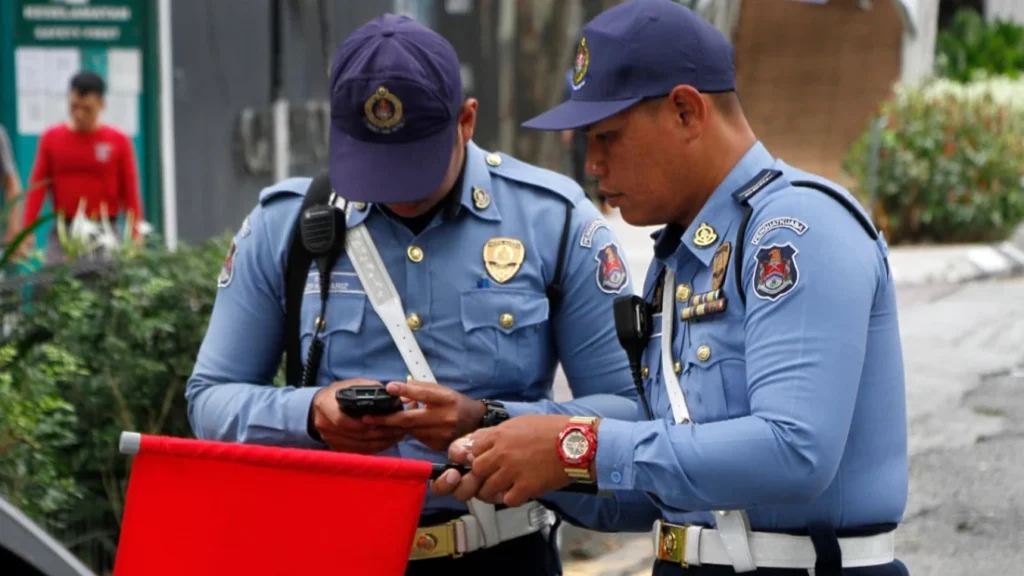
Kuala Lumpur stands apart from cities governed under Malaysia’s thirteen states – as one of three Federal Territories, it falls directly under federal jurisdiction rather than a state government. Its administration is anchored in two key pieces of legislation: the Federal Capital Act 1960 and the Local Government Act 1976[3].
Its responsibilities are wide-ranging and shape everyday life across the city. They include:
- Urban planning and development approvals
- Maintenance of roads, drains, parks and public facilities
- Waste management and sanitation
- Licensing and enforcement of businesses and hawkers
- Environmental management
- Collection of assessment taxes and management of the city’s finances[1, 2]
In practical terms, DBKL decisions influence everything from high-rise approvals and traffic flow to public housing projects and flood mitigation, choices that affect neighbourhoods across the capital, from Cheras and Kepong to Bangsar and Setapak.
Yet while Kuala Lumpur residents vote for Members of Parliament, they do not vote for the mayor or the city councillors who oversee these municipal decisions.
How the Mayor Is Appointed And Why the Role Matters
The Mayor of Kuala Lumpur serves as the chief executive of DBKL.
Under the Federal Capital Act 1960, the mayor is appointed by the Minister responsible for the Federal Territories, with the consent of the Yang di-Pertuan Agong. The appointment typically lasts two to three years and may be renewed[2].
As of November 2025, the mayor is Datuk Seri Fadlun Mak Ujud, an urban planning professional with over 28 years of experience. He was appointed on 15 November 2025, succeeding Dato’ Seri Maimunah Mohd Sharif, whose tenure was cut short after 15 months when she was redeployed to an advisory role at Petronas[1,4].
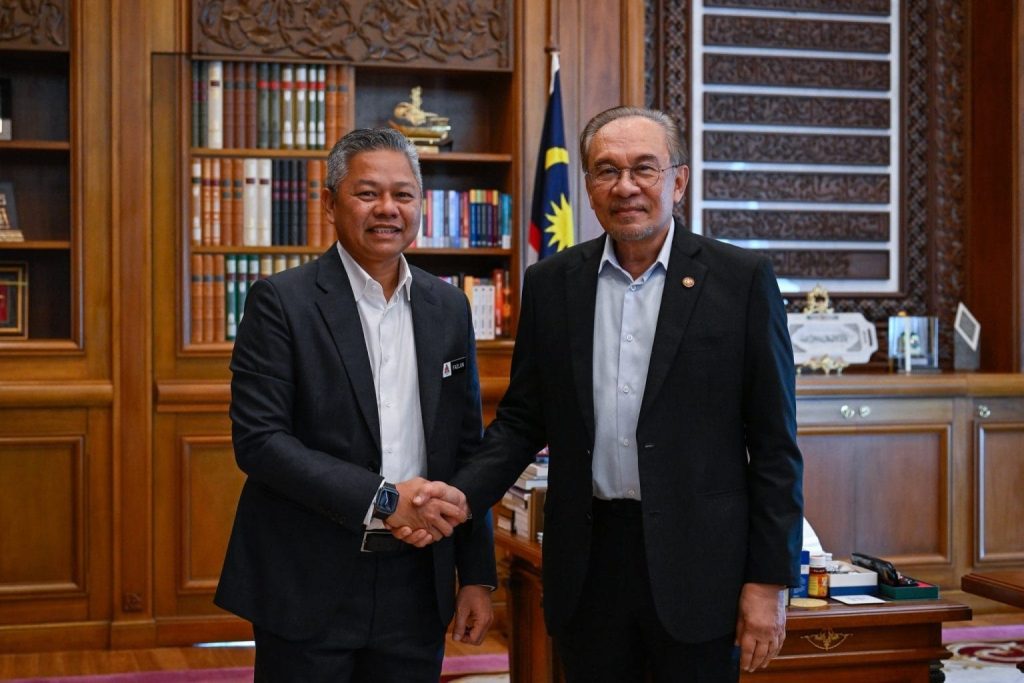
The role carries significant authority, the mayor oversees DBKL’s multi-billion-ringgit budget and has influence over development approvals, planning policies, enforcement and infrastructure. These decisions shape how neighbourhoods grow, how hawker businesses are regulated and how the city tackles issues like housing density and flooding[1,2].
Supporters of reform argue that decisions this consequential should be made by someone chosen through elections. Others maintain that the appointment system allows for technocratic leadership and tighter coordination with federal policy, something they say matters in a capital that hosts Parliament, ministries and diplomatic missions.
How Kuala Lumpur Ended Up With an Appointed Mayor
Malaysia did not always operate this way. Local government elections were held across the country before 1965, but were suspended during the Indonesian Confrontation and never reinstated[6].
When Kuala Lumpur was granted city status in 1972, its first mayor, Lokman Yusof, was appointed rather than elected[7].
In the five decades since, successive mayors have overseen the capital’s transformation from a post-independence city into a dense metropolitan centre – navigating infrastructure expansion, public housing, flood mitigation and rapid urban growth. The governance structure overseeing all of it, however, has barely changed. Today, that is precisely what is being questioned.
So Why Is This Being Debated Now?
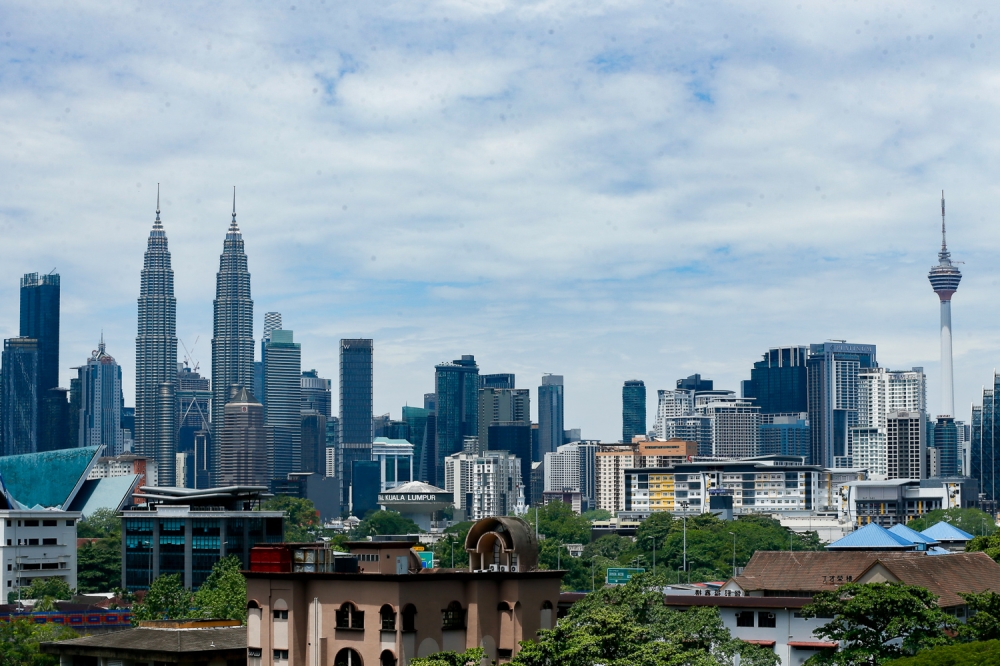
Calls to restore local government elections are not new.
Civil society groups such as Bersih have long pushed for local polls as part of wider electoral reform. A policy research report published by BERSIH identified the main concerns of opposition to be a lack of representation of bumiputera, and dominance of certain parties in future local elections in cities with non-bumis making up the majority population. Another problem raised was the costs of conducting elections[8].
The narrative that “Malays would be marginalised by local elections” is an outdated and unfounded political myth. – Local Government Elections, BERSIH (2021)
What has changed is how seriously politicians are now taking the idea. Several MPs representing Kuala Lumpur constituencies have tabled a Private Member’s Bill to amend the Federal Capital Act 1960, and federal authorities have confirmed that a feasibility study is underway[9].
A conversation that once lived in academic papers and civil society forums has found its way into Parliament.
What To Lookout For
A feasibility study on electing the Kuala Lumpur mayor is currently underway, commissioned by the government and conducted by the International Islamic University Malaysia (IIUM). Expected to conclude by end of March 2026, the study examines what reform would require under the Federal Capital Act 1960, and whether the capital’s decades-old appointment system is due for a change.
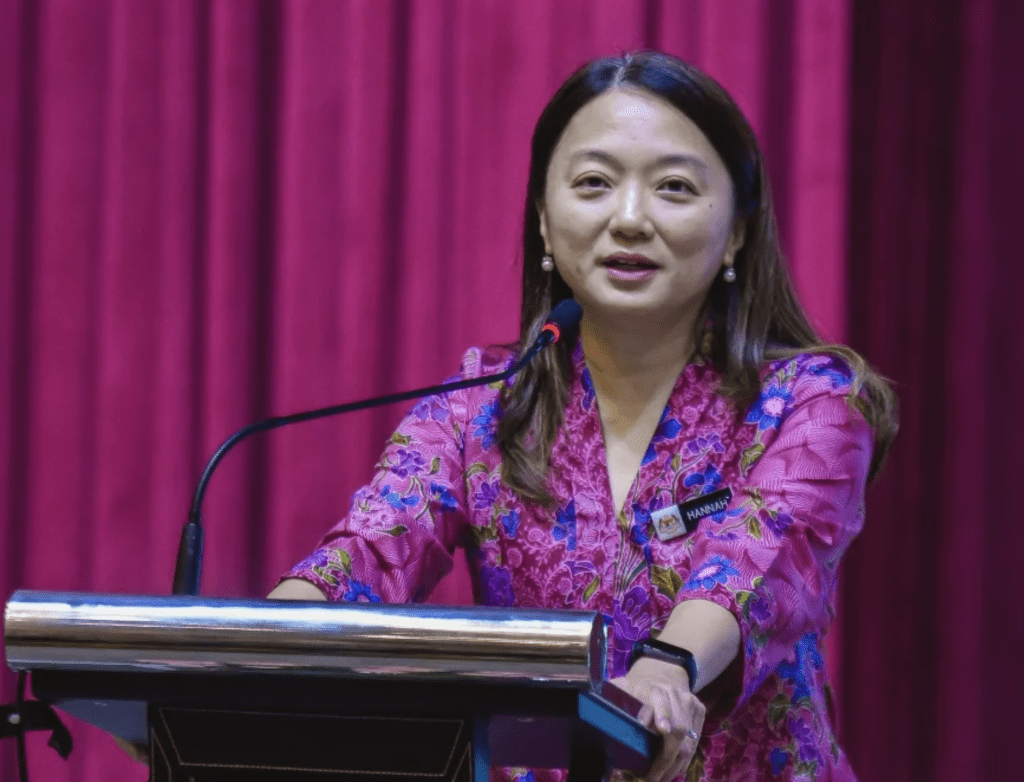
By the end of March, the study should be finished. If not, they will meet us. They have already met once and produced an interim report, but interviews are still in progress. Minister. – YB Hannah Yeoh, Minister in the Prime Minister’s Department (Federal Territories)[10]
From there, any changes to the Federal Capital Act 1960 would need to clear Parliament, which is no small task given Kuala Lumpur’s unique status as a Federal Territory[11].
Political will is the other variable. Reform proposals in Malaysia have a habit of moving slowly, and this one will likely rise or fall depending on how much it matters to the right people at the right time.
What is certain is that a system largely unchanged since the early 1970s is now being openly questioned. We will keep a close eye on the feasibility study results, and what they mean for the millions of Kuala Lumpur residents who have never had a say in choosing the people who run their city.
Explore our sources:
- DBKL. Latar Belakang. Dewan Bandaraya Kuala Lumpur. Link
- Wikipedia. (2026). Kuala Lumpur City Hall. Wikipedia. Link
- Parliament of Malaysia. (1960). Federal Capital Act 1960. Repositori Parlimen. Link
- Amin. L. (2025). Maimunah’s term as KL mayor shorted, takes up new role at Petronas. The Edge. Link.
- Bernama. (2024). DBKL Allocates RM2.8 Billion For 2025 Budget. Bernama. Link
- TRP. (2026). How Is The KL Mayor Chosen? Why Is There A Study On Mayoral Elections Now? The Rakyat Post. Link
- Wikipedia. (2026). Mayor of Kuala Lumpur. Wikipedia. Link
- Bersih. (2021). Local Government Elections. Bersih Policy Research. Link
- S. Ishak. (2026). Who should run KL? Study into local poll stirs fears over demographics. The Straits Times. Link
- Malay Mail. Hannah Yeoh: Study on KL mayoral elections to be completed by end of March. Link.
- N. A. Ibrahim. (2026). IIUM feasibility study on KL mayoral polls to run until March. New Straits Times. Link