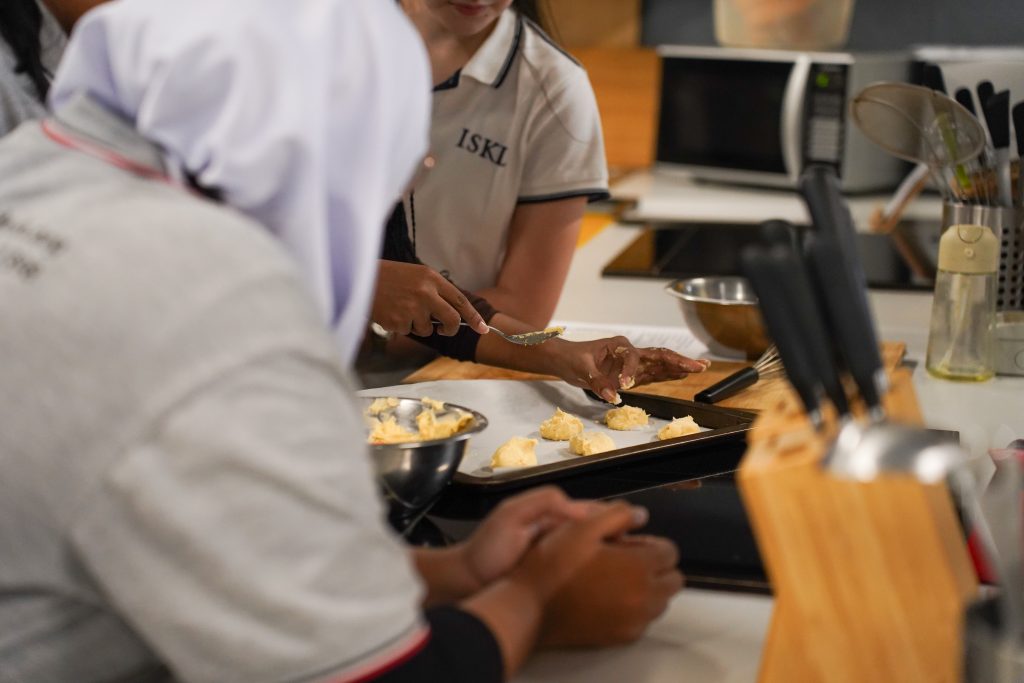
The task sounded simple enough. Build a parachute that would stop an egg from breaking when it was dropped. But for Tracey, a 15-year-old Grade 10 student at The International School of Kuala Lumpur (ISKL), that egg-drop challenge ended in a conversation she still remembers.
It happened during a session run by Beacon Club, one of the school’s Service Learning Clubs, which works with young people from Myanmar whose families were forced to flee their homes. One of the girls from their partner community had taken charge of designing her team’s prototype, and Tracey went over to tell her how impressed she was. As they talked, the girl mentioned that she hoped to become an engineer one day.
We have the same ambitions and the same passions. – Tracey, Grade 10
Tracey has met many young people like this girl through ISKL’s partnerships with learning centres for refugee children. In Malaysia, these children have no legal access to the national public school system. Most attend community-run learning centres supported by UNHCR instead, where resources are limited, and there is often little room for activities beyond core lessons.
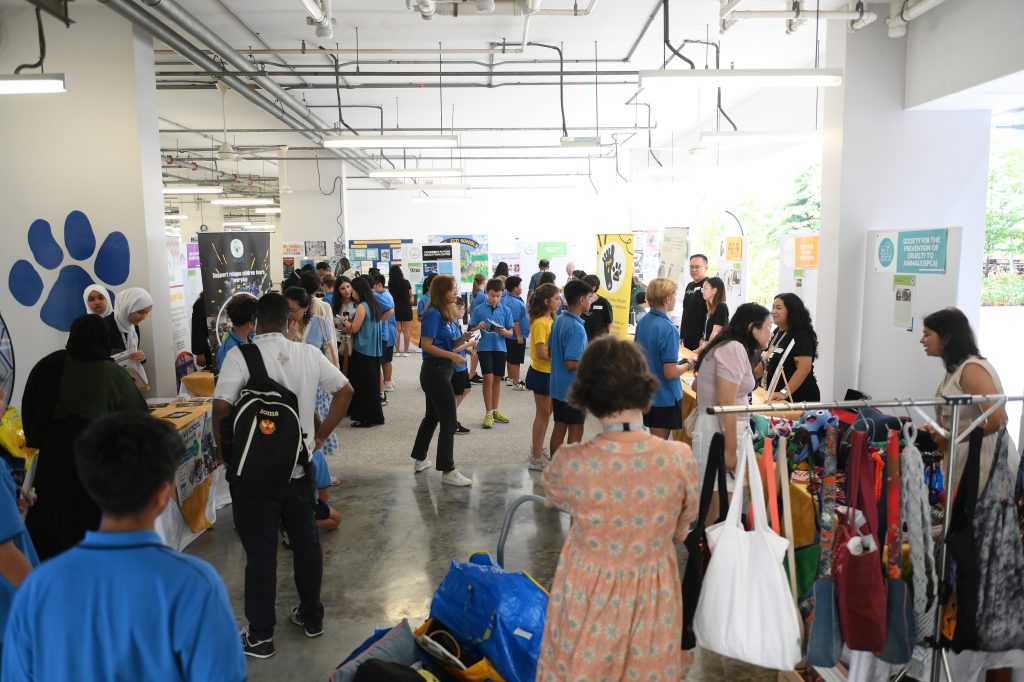
ISKL works with the UN Refugee Agency and other non-profit organisations through its service-learning programme, and 11 of them support families forced to flee. Seven of these partners work closely with HS Service Learning Clubs, whose members run weekly sessions that range from science experiments and arts and crafts to cooking and sport.
The sessions bring together young people from very different backgrounds to learn, swap ideas and make friends. For the ISKL students, they have also become a way to see up close the issues they study in class.
From Classroom To Real Life
Tracey first learned about global displacement in her Grade 8 humanities lessons, before she joined Beacon Club. Reading about the issue, she says, was not the same as meeting the people living through it.
Sometimes, when we learn about displaced communities, I feel disconnected from them, although they are part of ISKL’s community here. But after volunteering in high school, it allowed me to see and meet them personally, rather than just thinking of their circumstances. – Tracey
They investigate global issues like war or displacement in class, and then connect those global issues with what is actually happening locally in Malaysia. That interconnectedness is the goal. – Izyan Rezali, Service and Sustainability Manager, ISKL
Friendships Through Song and Memes
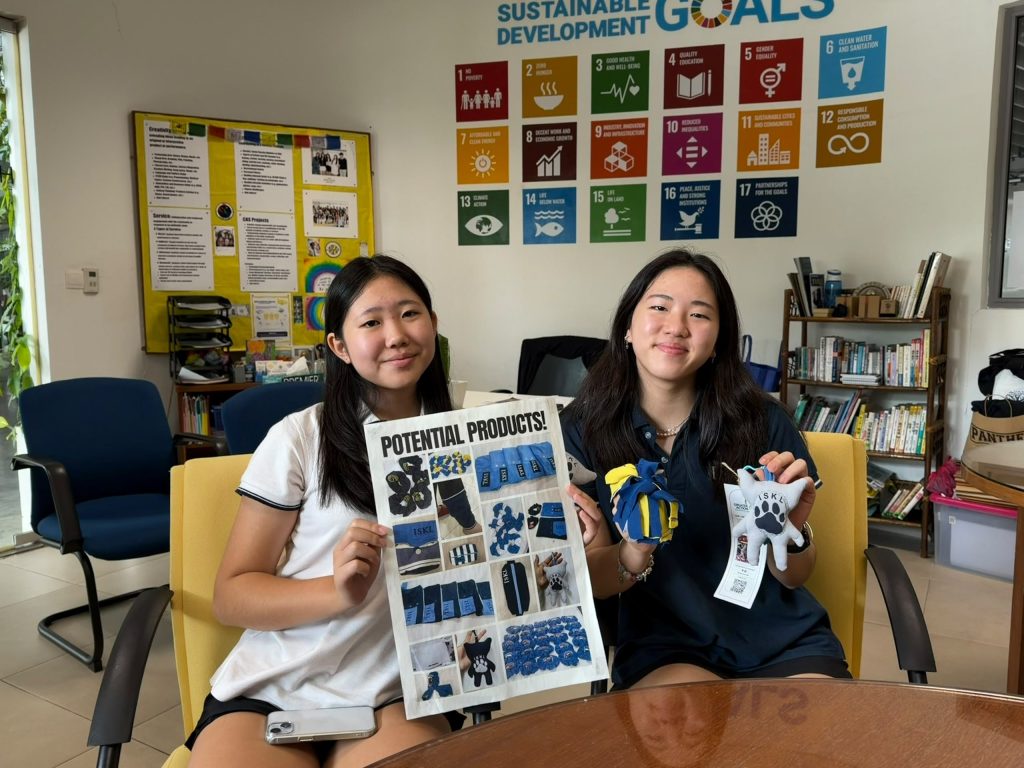
Many of the Burmese people Beacon Club serves are around the same age as Tracey and her classmate Anne, who is also in Grade 10. Science experiments are a regular part of the sessions, but the conversation drifts easily to the things most teenagers talk about, like popular songs, memes and the latest TikTok trends.
Anne thinks being close in age helps. The two groups meet as equals, and shared interests have done the rest.
They also know the same songs and the same memes and everything. So, they’re more just like friends now. – Anne, Grade 10
The refugee children who attend sessions with ISKL’s Children’s Future Education Centre (CFEC) Club are younger, but friendships have formed there too. Grade 11 student Ming Ni and her fellow members run creative lessons in science, mathematics and English, as well as the occasional mini sports day with tug-of-war and tag.
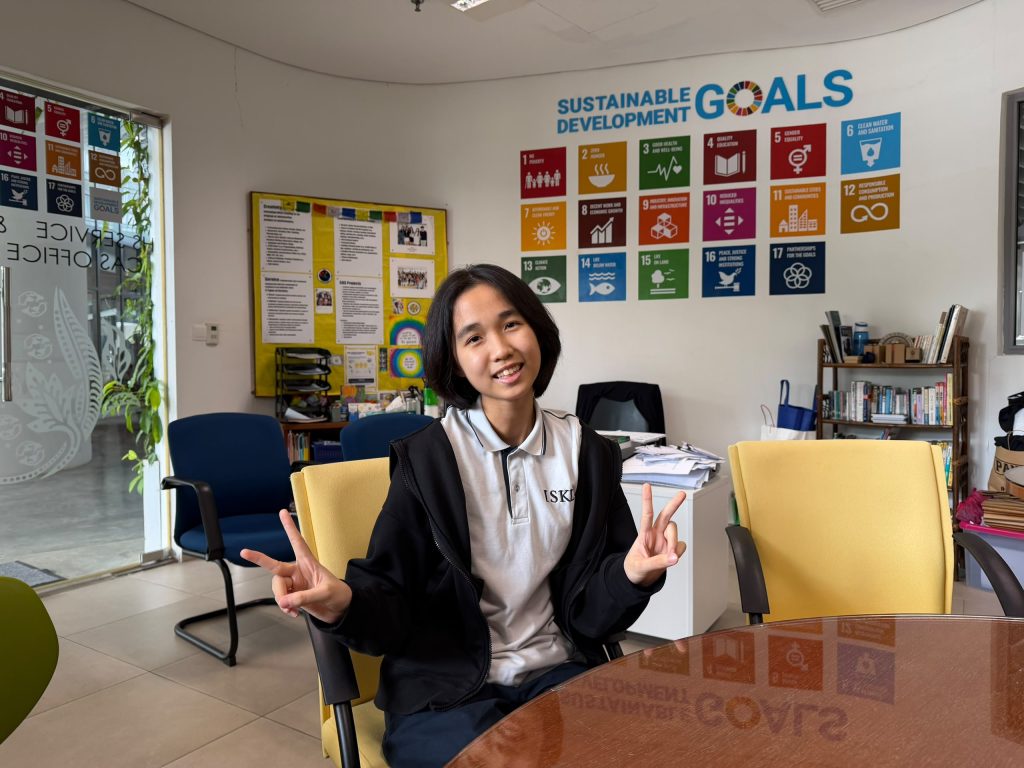
Ming Ni enjoys those sessions, but it is the relationships that have stayed with her most. One younger girl in particular has become a familiar face at the weekly meetings, regularly greeting her with a smile or wave.
Ming Ni has also discovered a love for teaching through the club.
They really enjoy calling us “teachers”. It feels like I’m kind of like a mentor-type of situation. – Ming Ni, Grade 11
When Learning Goes Both Ways
Kar Sing, a Grade 11 student, is one of the leaders of STEM Savers Club, an ISKL Service Learning Club focused on practical science activities. He joined two years ago because he liked science, and now he helps plan hands-on activities that let students from a partner refugee learning centre work out scientific ideas for themselves.
His favourite sessions have been the balloon-powered car races and the club’s own egg-drop challenges, where the students test different materials and designs to keep an egg intact. In one round, they came up with parachutes and protective structures that worked far better than the club members had expected. Some designs were so effective that the organisers had to limit the materials on offer to keep the competition fair.
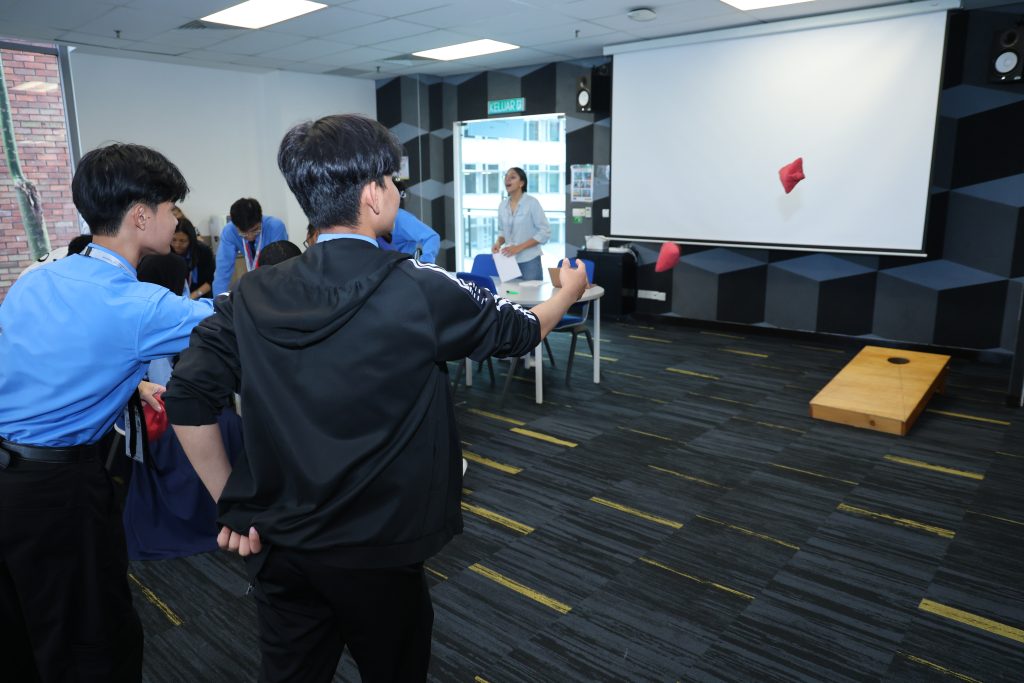
The students’ ingenuity took Kar Sing by surprise and made him rethink his assumptions about what they could do. It also changed the way he saw volunteering.
Before I started volunteering, I thought it was more like a one-way thing. But since I started volunteering, I found out that I learned a lot about myself and developed a lot of skills that I typically wouldn’t in a normal classroom environment. – Kar Sing, Grade 11
Chika Kumashiro Wilms, ISKL’s High School Service and Sustainability Coordinator, wants students to start early. She believes the habits they form as teenagers will carry into adult life.
As young adults, we’re establishing habits and practices that we can take into our adulthood. So, the younger you start, the greater it is. – Chika Kumashiro Wilms, High School Service and Sustainability Coordinator, ISKL
Meeting people from different backgrounds, she adds, also helps students question the assumptions they pick up from the media. Often it is the ordinary moments that change their minds, like a chat about football or a shared love of K-pop.
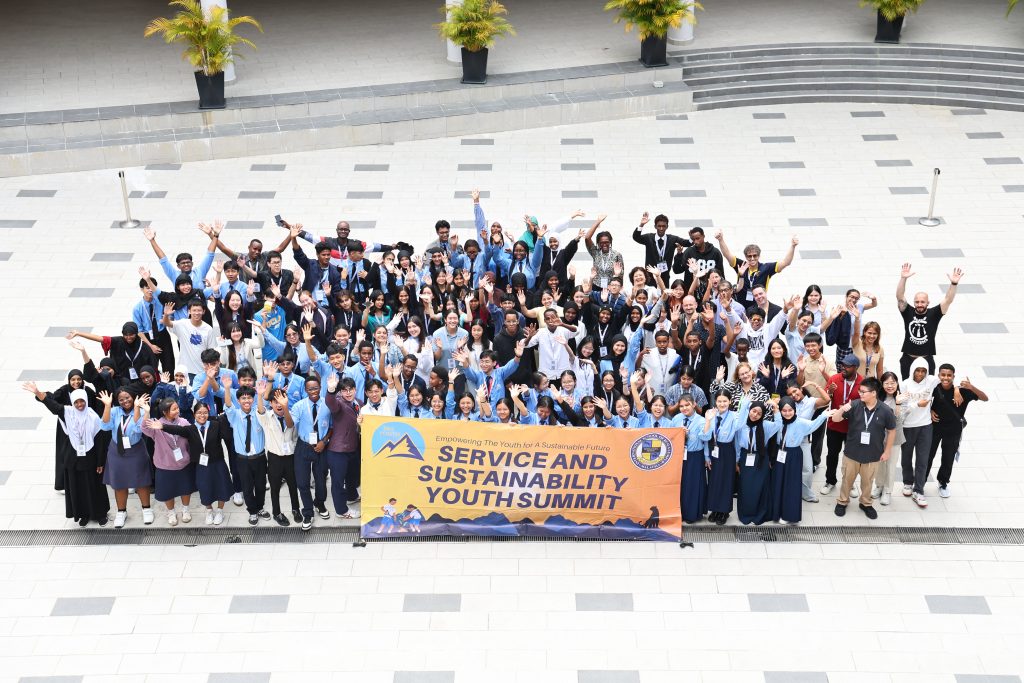
World Children’s Day falls on 20 November. It is a good moment for schools, families and communities to ask whether young people are getting enough chances to meet people outside their own circles.
Tracey found hers at an egg-drop challenge, talking to a girl who wants to be an engineer.
Giving Back Starts At Home
Parents can start by involving their children in giving. Making a donation together, or on their child’s behalf, opens conversations about empathy, generosity, and why helping others matters.
Supporting people forced to flee their homes is one practical way for families to help, and it teaches children compassion and social responsibility from a young age, as we learned from the experiences of the ISKL students.
Make a difference together. Donate now!