At 15, Dr Aini Ideris thought one Biology paper had cost her the future she wanted.
She was a Form Three student at Sekolah Tun Fatimah when an examination determined whether students would enter the Science or Arts stream. Young Aini misunderstood one Biology question, did badly on the paper and was placed in Arts.
She was devastated. Since childhood, she had wanted to become a doctor.
During an English lesson, she wrote about that disappointment. Her teacher took notice and helped arrange another assessment[1].
This time, she passed.
Her journey is one of three very different paths into Malaysian science being recognised by the Merdeka Award in 2026.
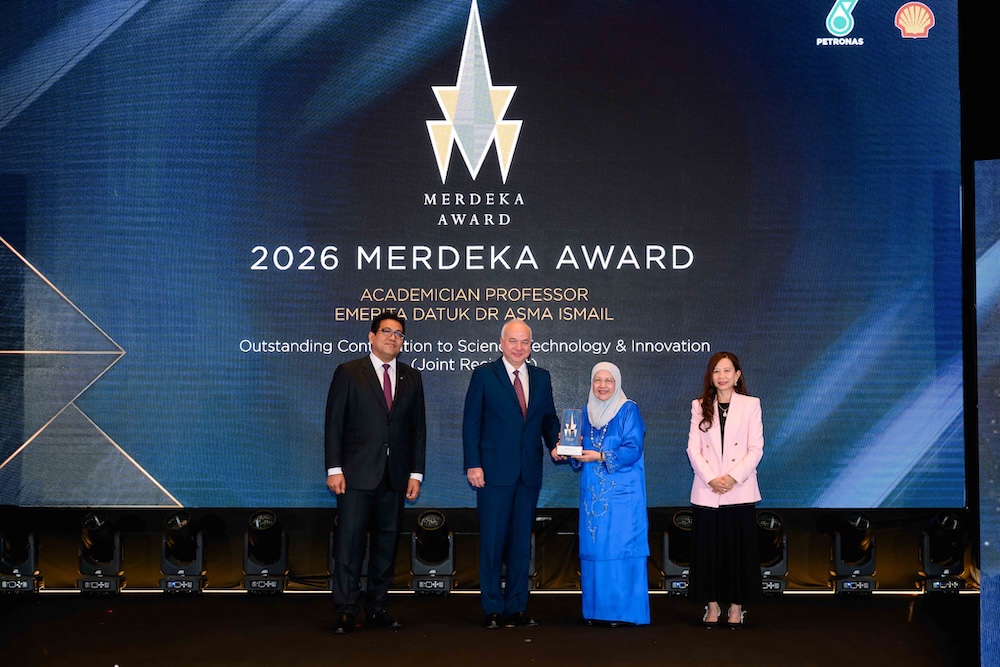
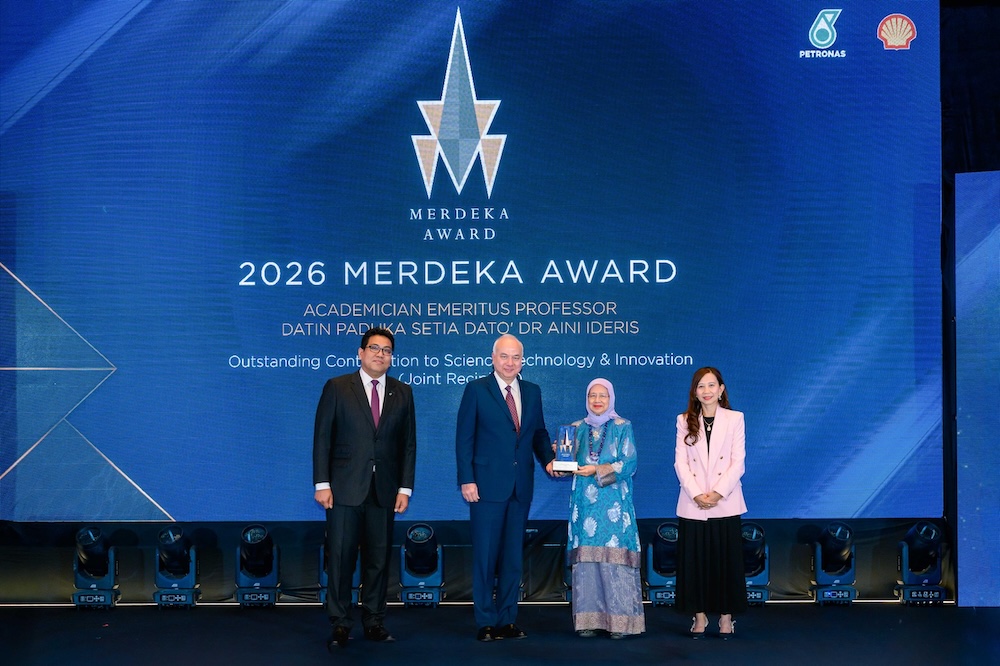
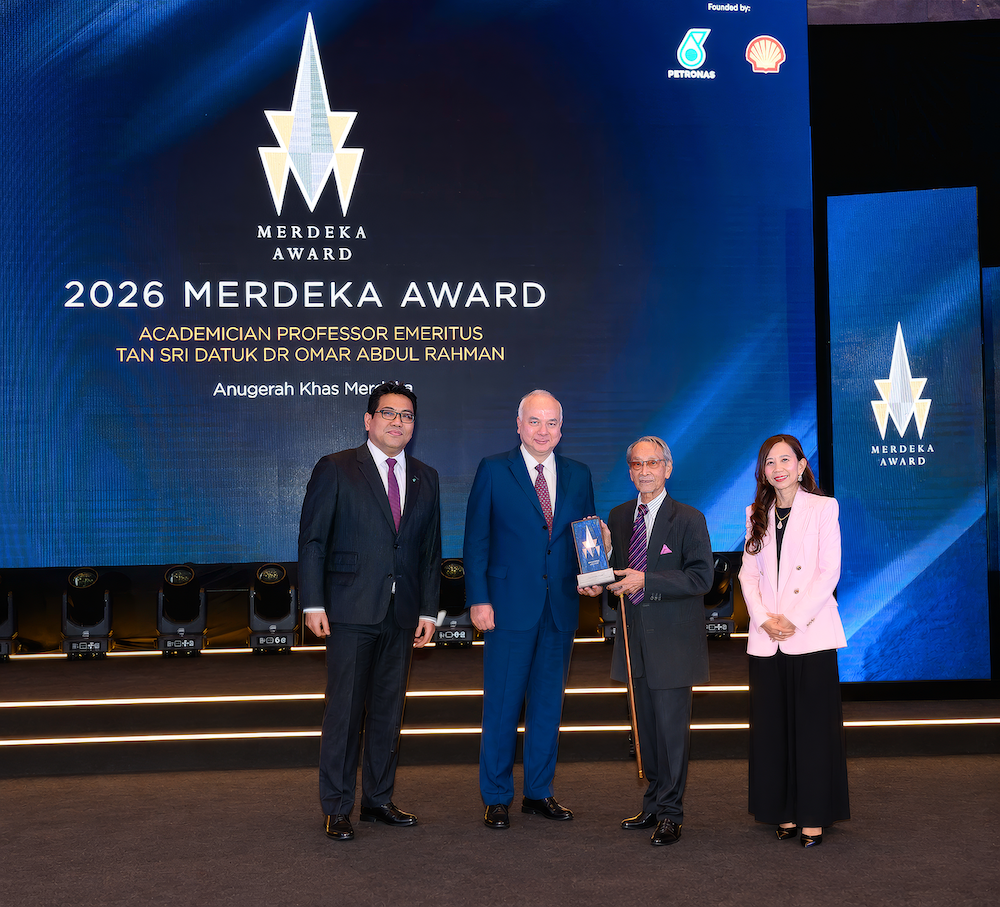
Academician Emeritus Professor Datin Paduka Setia Dato’ Dr Aini Ideris and Academician Professor Emerita Datuk Dr Asma Ismail received the Merdeka Award for Outstanding Contribution to Science, Technology and Innovation. Academician Professor Emeritus Tan Sri Datuk Dr Omar Abdul Rahman received the Anugerah Khas Merdeka after more than six decades of helping build Malaysia’s scientific foundations.
Their work would eventually reach farms, hospitals and the national policies that shaped how Malaysia approached science.
The Failed Exam That Led To Over 550 Million Vaccinated Chickens
For poultry farmers, an outbreak of disease can wipe out an entire flock.
Newcastle disease is one such threat, spreading through poultry populations and threatening the wider supply of chicken, an important source of affordable protein.
Vaccines could help prevent the disease. But conventional vaccines often depended on refrigeration throughout storage and transport, and in rural and resource-limited areas, maintaining that cold chain was not always practical.
Dr Aini helped close that gap. She helped develop the NDV4-UPM vaccine, a heat-resistant Newcastle disease vaccine that could be administered through feed and water. Without the same dependence on a continuous cold chain, mass vaccination became more practical in tropical and resource-limited settings.
The work soon moved beyond Universiti Putra Malaysia.
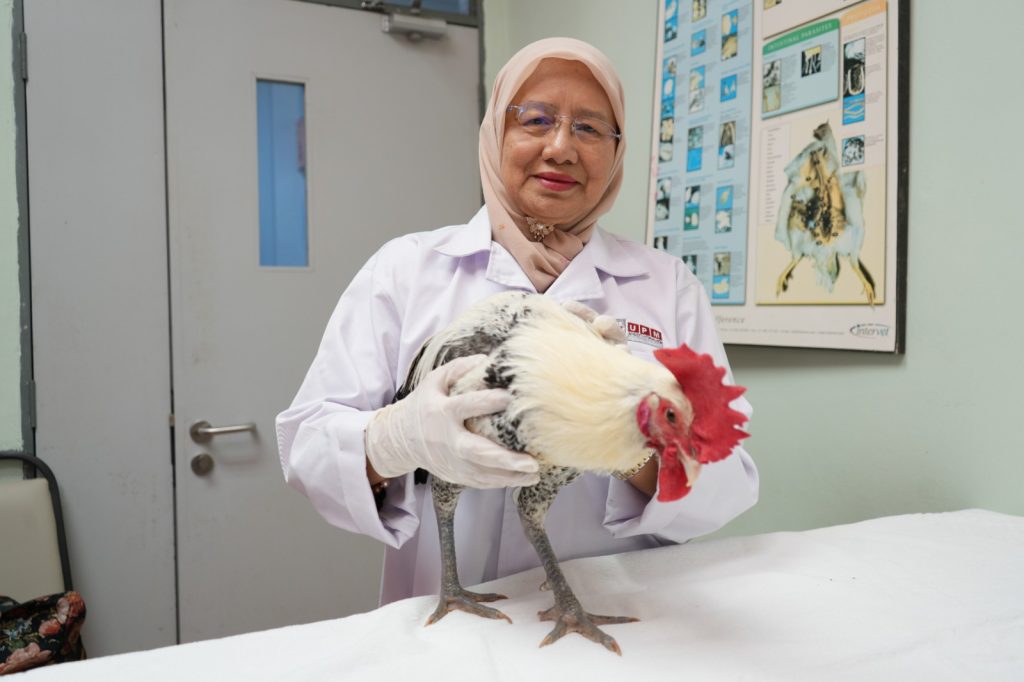
NDV4-UPM and a fowl pox vaccine became Malaysia’s first university-developed animal vaccines to be successfully commercialised internationally. By 2022, programmes involving these technologies were estimated to have enabled the vaccination of more than 550 million poultry across more than 20 countries, including through initiatives supported by international development organisations.
For farmers, disease prevention meant fewer losses. Keeping poultry populations healthy also helped protect food production during outbreaks.
Investing in home-grown scientific talent yields dividends that transcend the laboratory to reach the dinner tables of millions.– Emeritus Professor Datin Paduka Setia Dato’ Dr Aini Ideris
Her work also contributed to the establishment of Malaysian Vaccines and Pharmaceuticals Sdn Bhd, strengthening Malaysia’s capacity to manufacture animal vaccines locally and reducing reliance on imported products.Dr Aini’s influence has also travelled through the people she trained. She has supervised more than 100 postgraduate students, many of whom went on to senior positions in universities, research institutes and industry.
If they don’t do well in exams, I talk to them, find out what their problems are and how we can assist them. We give them the opportunity to tell us what they are facing and try to help them. – Emeritus Professor Datin Paduka Setia Dato’ Dr Aini Ideris[1]
A Lifesaving Test That Identified Typhoid Within Hours
In the 1980s, typhoid was affecting several parts of Malaysia, but confirming that a patient had the disease was not always quick. Conventional laboratory diagnosis could take up to five days to produce results, delaying the decisions doctors needed to make about their patients.[2]
A fever could point to many illnesses. Until doctors knew whether a patient actually had typhoid, they could not make the right treatment decisions as quickly as they wanted to.
For Professor Emerita Datuk Dr Asma Ismail, that was reason enough to focus her research on diagnostics.
You could then decide which [patient] to give medication to and which one to hospitalise.– Professor Emerita Datuk Dr Asma Ismail [2]
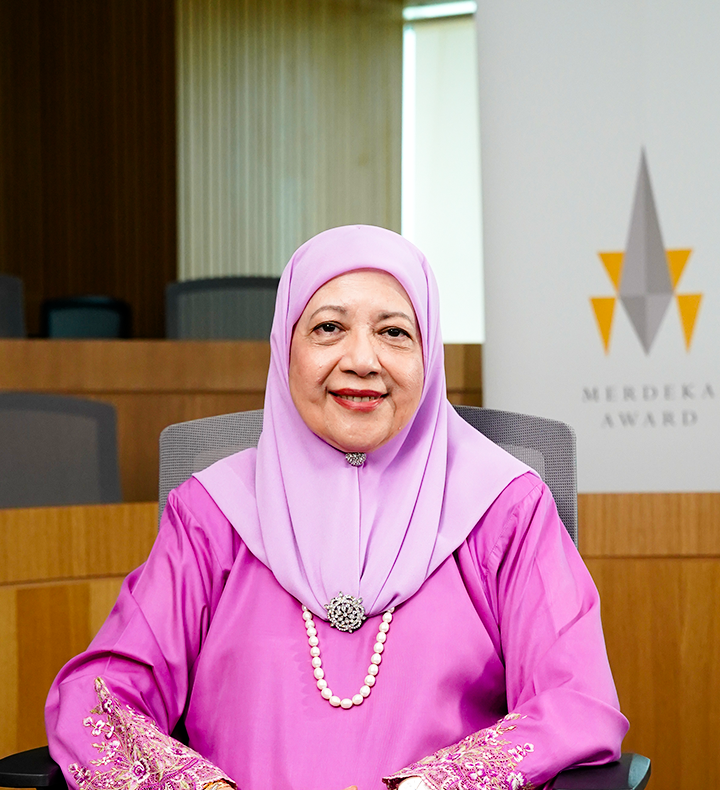
Dr Asma wanted a test that could give doctors an answer within hours rather than days.
Working with her team, she developed TYPHIDOT, a rapid diagnostic test that could produce results in around three hours. The test eventually reached more than 18 countries across Asia and Africa and helped diagnose more than two million cases worldwide.
But taking the technology overseas also showed Dr Asma that a solution developed in one place does not always fit neatly into another. The technology was subsequently adapted into TYPHIDOT-M, designed to improve the detection of acute typhoid infection.
That experience shaped the next phase of Asma’s career. She came to believe scientific discoveries have limited value if they cannot reach the people who need them.
Science must ultimately serve humanity. Creating knowledge is only the beginning. We must translate knowledge into innovation, innovation into adoption, and adoption into impact. That, to me, is the true purpose of science.– Professor Emerita Datuk Dr Asma Ismail
She wanted to influence the wider research landscape, and that ambition gradually took her from laboratory science into national leadership and policymaking.
She played a role in the development of Malaysia’s Research University system, co-led the Malaysian Education Blueprint for Higher Education and served as President of the Academy of Sciences Malaysia.
She also became the first woman Vice-Chancellor of Universiti Sains Islam Malaysia and Universiti Sains Malaysia, as well as the first female President of the Academy of Sciences Malaysia.
Her work continues through the Higher Education Blueprint 2026–2035, where she chaired the expert group tasked with helping shape the direction of higher education for the next decade.
You can make or break a nation by its quality of education. It is very important to me. You can uplift the poor and marginalised through education, and the lack of it is a crime. – Professor Emerita Datuk Dr Asma Ismail
A Pioneer In Malaysia’s Science Sphere
In July 1984, 51-year-old Dr Omar Abdul Rahman was given a job no Malaysian had held before.
Then Prime Minister Tun Dr Mahathir Mohamad appointed him as the country’s first Science Advisor, a role Dr Omar would hold until 2001.
At the time, science and technology had yet to occupy a prominent place in Malaysia’s national development planning. His task was to help change that.
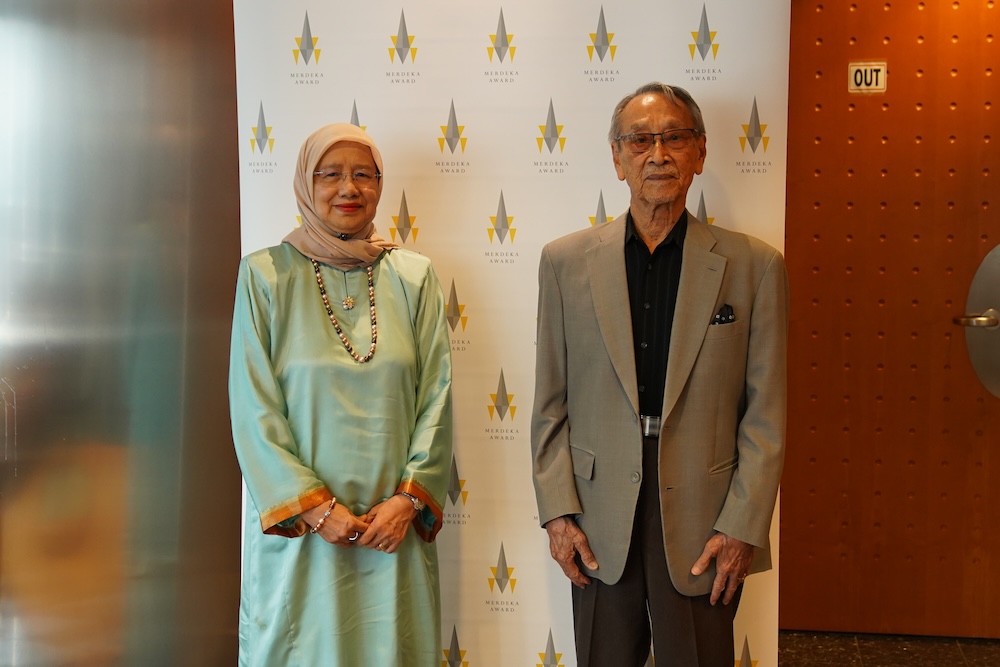
He created the position of a science advisor because he understood the importance of Science and Technology for national development.– Professor Emeritus Tan Sri Datuk Dr Omar Abdul Rahman[4]
Professor Emeritus Tan Sri Datuk Dr Omar Abdul Rahman became a link between Malaysia’s scientific community and the government. Researchers could bring issues that required national attention to him, while policymakers could turn to the scientific community for expertise.
Working in close collaboration with colleagues and with full support of PM4, who embraced the fifth Objective of Rukun Negara, we managed to put in place the components of the STI ecosystem for national development.– Professor Emeritus Tan Sri Datuk Dr Omar Abdul Rahman
Two years after his appointment, Malaysia introduced its first National Science and Technology Policy, while the Fifth Malaysia Plan gave science and technology a dedicated place in national development planning.

But putting science into national planning also required institutions capable of carrying those ambitions forward.
One of the most enduring institutions was the Academy of Sciences Malaysia (ASM), which he helped establish and later led as its founding President. It gave leading Malaysian scientists an organised national platform to contribute scientific advice on issues facing the country.
He was also involved in efforts to direct research funding towards areas of national importance, including agriculture, health and industry. For Malaysian researchers, laboratories alone were not enough. Research also needed funding, institutions, links to industry and a way for scientific evidence to reach the government.
Tan Sri Datuk Dr Omar spent more than six decades helping build those foundations.
His concerns later stretched beyond scientific capacity. Through Dialog Rakyat and the Harmoni-Mesra initiative, he turned his attention towards national cohesion, ethics and the values he believed were also necessary for Malaysia to progress.
When Science Leaves The Laboratory And Makes An Impact
Dr Aini’s vaccines reached farms around the world. Dr Asma’s diagnostics gave patients faster answers, while Tan Sri Omar helped build the systems that allowed Malaysian research to grow beyond academia.
They are recognised alongside other Merdeka Award 2026 honourees, including Emeritus Professor Dato’ Dr Hajah Asmah Haji Omar, Professor Dr Chan Eng Heng, MERCY Malaysia, Datuk Nicol Ann David and Cheah Liek Hou.
Their work shows how scientific impact can continue long after a discovery, through the people, institutions and communities it reaches. That is when science truly makes an impact.
Explore Our Sources
- The Vibes. (2022). Second Chances – Datin Paduka Setia Datuk Dr Aini Ideris and her scientific journey. Link
- Quincy Tan. (2024). IMU University’s new vice-chancellor Prof Emerita Datuk Dr Asma Ismail on the future of science higher education in Malaysia. Options, The Edge. Link
- Natalie, Heng. (2015). Dr Omar Abdul Rahman: From Kampung Boy To Nation Builder. The Star. Link
- Umar, S. (2018). Interview with Dr. Omar Abdul Rahman, science advisor to Dr. Mahatir Mohammad. Link