In conjunction with Men’s Health Awareness Month in November, we spotlight how three Khazanah Scholars are creating opportunities for others.
In 2025, men made up 95.3% of the 191,832 people recorded for drug and substance abuse in Malaysia, according to the National Anti-Drugs Agency.[1][2] Beyond these figures are wider concerns about stigma, mental health and the pressure men face to appear strong and self-reliant, even when they need help.
Dr Rashidi Mohamed has spent his career in addiction medicine working to break down these barriers.
Beyond public healthcare, two other men are making a difference: Nelson Ng Jia Jun moved from aerospace engineering into social entrepreneurship, while Kaautam Uthaya Suriyan built a career in telecommunications and represented Malaysia in flag football.
All three are amongst the 1,893 scholars who have had the support of the Khazanah scholarship by Yayasan Khazanah.
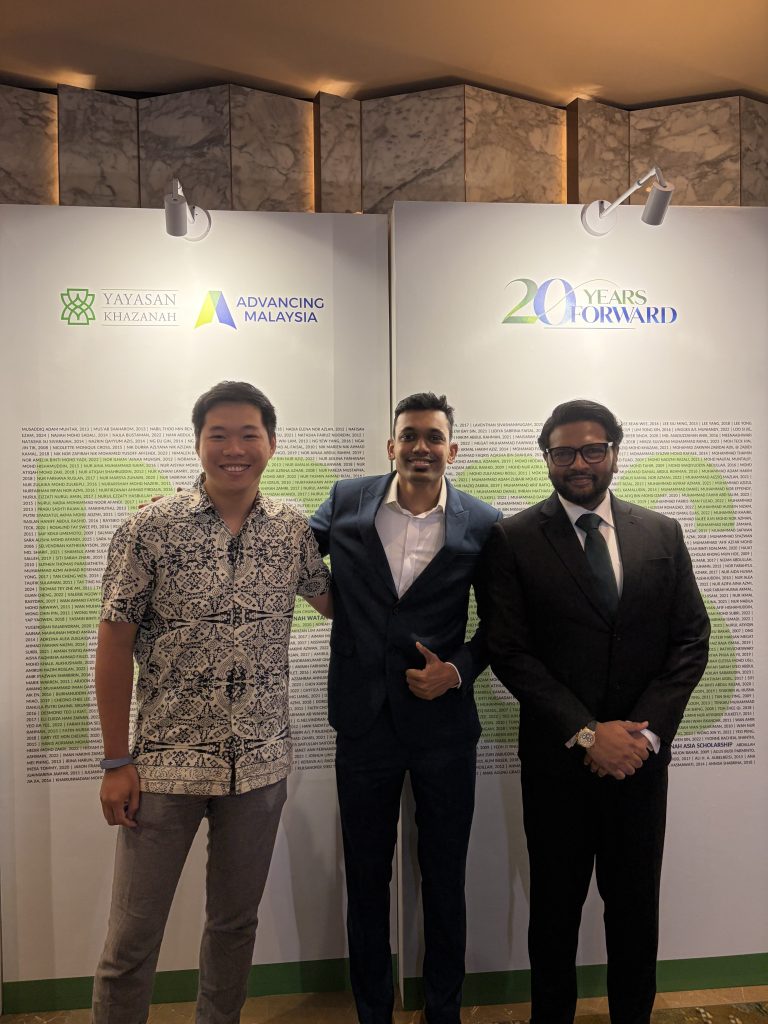
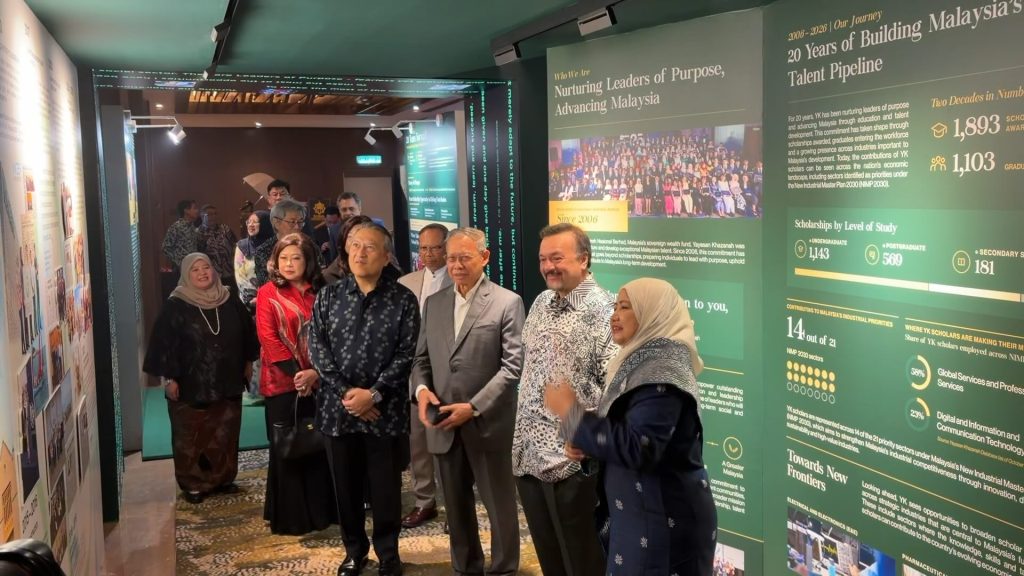
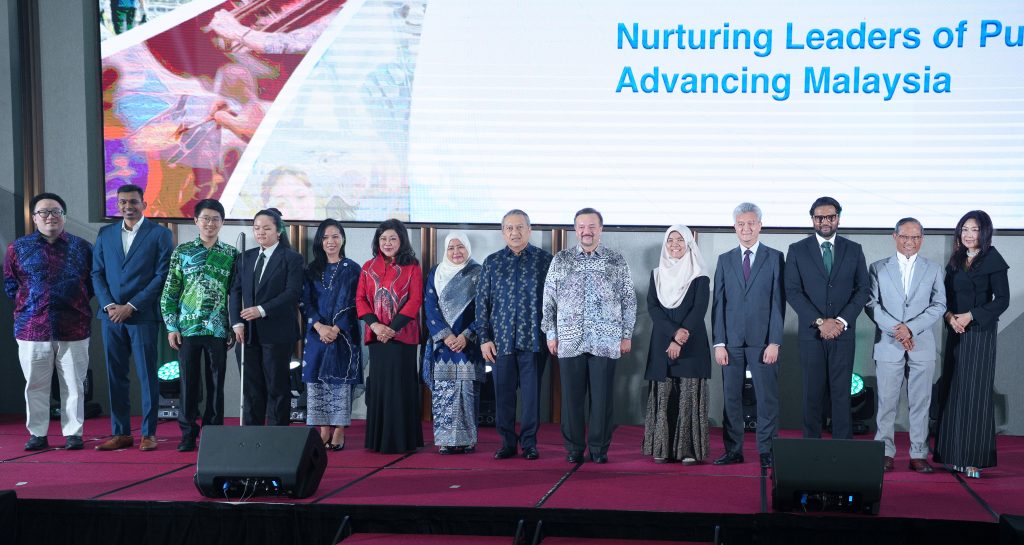
This year marks 20 years of the organisation’s efforts in building a nation of leaders. We shine a light on three individuals whose opportunities have led them to change the lives of many others, long after their graduation.
Changing How People See Addiction
Long before he entered medical school, Dr Rashidi Mohamed had already witnessed the effects of addiction.
Growing up in a squatter settlement in Kuala Lumpur, he saw how substance dependency affected individuals, families and communities. Only later, through medical training and research, did he begin to understand its connections to poverty, emotional suffering and difficult life circumstances.
A Khazanah Watan Scholarship enabled him to pursue doctoral research in Psychiatry (Addiction) at Universiti Malaya while continuing his medical commitments.
Treating patients was one part of the work. The other was changing attitudes. Many people still saw substance dependency as a moral failure rather than a health condition that deserves compassionate care, and Dr Rashidi has spent years challenging that view.
He believes the stigma weighs even more heavily on men. Expected to appear strong and self-reliant, they find it harder to admit they are struggling or to ask for support.
True strength is not about hiding your struggles. It is about having the courage to acknowledge them and seek help. – Dr Rashidi Mohamed bin Pakri Mohamed
Today, Dr Rashidi is a Consultant Family Medicine Specialist and Senior Lecturer at Universiti Kebangsaan Malaysia. Known affectionately as “Dr Awesome”, he combines clinical work with addiction research, harm reduction advocacy and the training of future doctors. His efforts to raise awareness also extend beyond the clinic, including through his book Remaja Cemerlang Bebas Dari Dadah.
His research has also contributed to Malaysia’s national drug policy discussions. In a 2025 smoking cessation study he co-authored, researchers examined 156 participants and reported higher quit rates among those receiving a combination of virtual and face-to-face consultations.[3][4]
He hopes Malaysia will build a more preventive and integrated healthcare system where people can seek treatment without fear of judgement.
I do not believe we can shame someone into recovery. We must first give them a reason to believe that recovery is possible. – Dr Rashidi
Making Opportunity Go Further
Nelson grew up in a fishing village in Pontian, Johor, and had hoped to study overseas. Upon arrival to Southampton with first-year scholarship support from the university, a professor introduced him to the Khazanah Scholarship.
The scholarship gave him more than a degree. He was inspired by the idea that opportunities should benefit more than the people who receive them, so he used his excess scholarship allowances to co-found ProjectEd, which brings educational activities to underserved communities.
ProjectEd supports students from financially disadvantaged backgrounds through scholarships and workshops on higher education pathways. Nelson says it has sponsored more than 50 university students and reached more than 6,000 through university-pathways workshops.[5]
His career then took him into investment analysis and social enterprises, and eventually to BUMI, the laundry business that serves hotels in Bali.
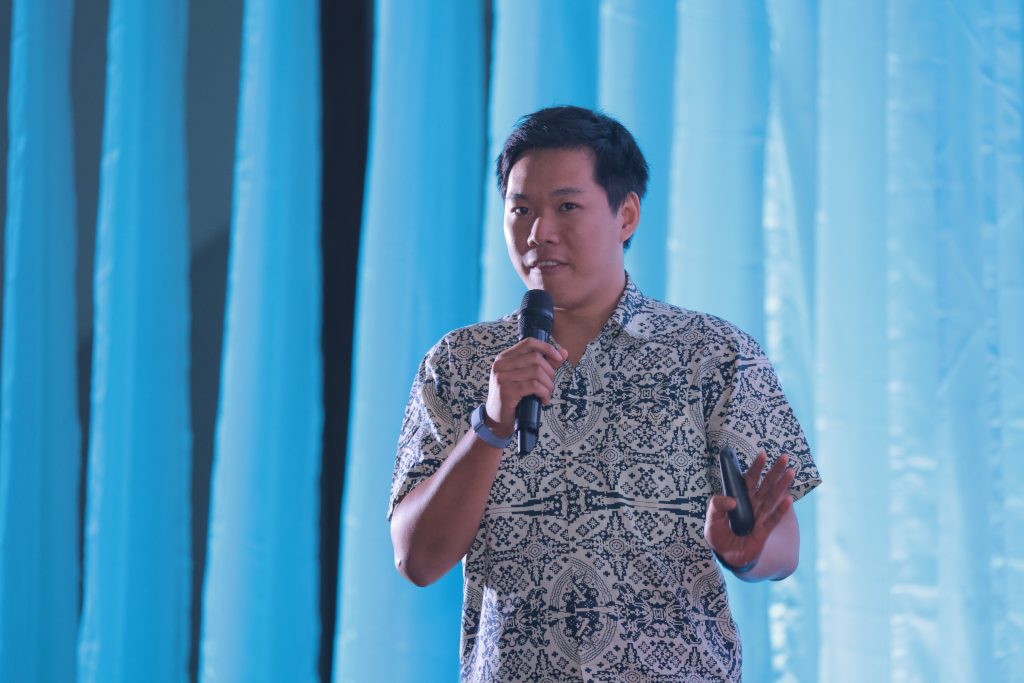

At one point, he found himself washing, ironing and delivering hotel linens after workers unexpectedly left. It was a far cry from the aeronautics and astronautics he had studied at the University of Southampton.
Staffing was not the only problem. A major hotel client delayed payment for six months, adding to the strain of keeping the business running.
Honestly, it’s very difficult to keep a boundary when you build a venture from scratch. I try to play basketball weekly as my safe space to not think about anything related to business for 2 hours. – Nelson Ng Jia Jun
Nelson believes doing good also makes business sense. He says BUMI pays its workers fair living wages, along with meal and living allowances above the industry average. Holding on to workers, he explains, also helps the business stay productive and financially stable.
Through BUMI Eco Laundry, he hopes to show that a business can succeed commercially while protecting the environment and supporting the surrounding community. He also founded Good Karma Club, which shares resources and hosts events for social-impact entrepreneurs in Southeast Asia.
His ambitions are closely tied to the people he works with.
I envision my ventures can showcase that a business can integrate impact and profit holistically, continuing to provide a platform for my team to grow and shine in their professional career. One team member at a time. – Nelson Ng Jia Jun
What Success Meant At Home
Growing up in Ampang, Kaautam Uthaya Suriyan watched his father drive a taxi from 6am until midnight to support their family.
As the sole breadwinner, his father worked long hours to make ends meet. Kaautam saw education as his opportunity to change that reality, hoping that one day he could relieve his parents of their financial burdens.
The Khazanah Global Scholarship brought him closer to that goal. It enabled him to study Economics at the University of California, Berkeley, while allowing his parents to focus their resources on his siblings.
But a university education was only the beginning. In the corporate world, he had to work around barriers linked to his age and background while building the professional networks and personal brand he needed to move up.
Talent and work ethic alone are not enough — you have to be in the room where decisions happen, and you have to build a personal brand that draws people and opportunities toward you. – Kaautam Uthaya Suriyan
After several years in telecommunications, Kaautam became Tune Talk’s youngest manager at 29, overseeing customer loyalty and retention initiatives. The company has also focused on serving underserved B40 customers through affordable mobile connectivity.[6]
Yet one of his proudest achievements had little to do with his position at work. He has since cleared his family’s debts, and their home is now fully paid off. His father still drives a taxi, but no longer out of financial necessity.

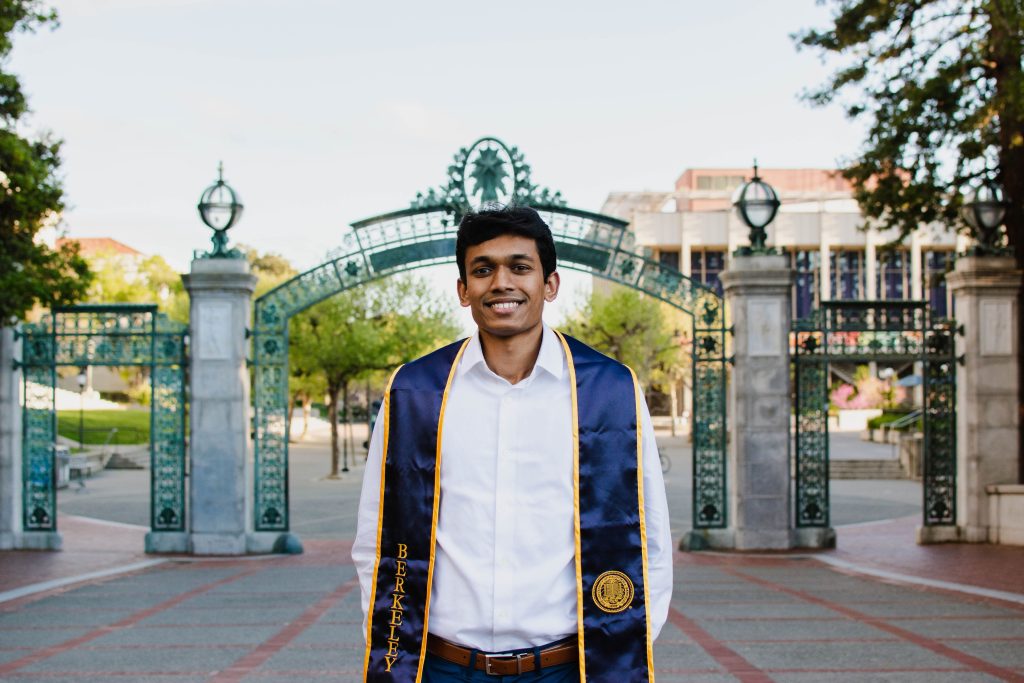
Outside the office, Kaautam has also represented Malaysia in flag football at the 2023 Asia Oceania Flag Football Championship.
With his family now financially secure, Kaautam shares what he knows about investing with younger colleagues, friends and relatives.
He wants to go further. He hopes to sponsor the education of children from lower-income families and, eventually, to develop technology products that benefit Malaysians.
I also want to share my story on social mobility via education and sponsor some lower income kids for their education in the future — so that more young Malaysians get the same chance that the Khazanah Scholarship gave me. – Kaautam Uthaya Suriyan
The Opportunity To Give Back
Since 2006, YK has supported 1,893 individuals in education and leadership development.
As YK looks towards 2046 through its “20 Years Forward” campaign, the question is not only what a scholarship makes possible for one person, but what that person makes possible for others.
Explore Our Sources
- Bernama. (2026). Drug Abuse Cases Undergoing Treatment See Slight Decline Last Year – AADK. Link.
- Bernama. (2026). Women’s Involvement In Drug Abuse Shows Increase – AADK. Link.
- Khazanah Nasional Berhad. (2025). The Khazanah Report 2025: Building Capacity And Vibrant Communities. Link..
- Nuzma Adil et al. (2025). The Outcomes Of Hybrid Virtual Consultation For A Smoking Cessation Program In Klang Valley, Malaysia. Link..
- Good Karma Club. Link.
- The Star (2021). Tune Talk To Build Up B50 Customer Base. Link.