For much of Datuk Nicol Ann David’s life, there was always another match waiting. Another opponent. Another championship. Another chance to carry Malaysia’s flag onto a squash court somewhere in the world.
For 108 consecutive months between 2006 and 2015, Nicol stood at the very top of her sport as World No. 1. By the time she retired in 2019, she had eight world titles and 81 professional titles to her name. Then the matches stopped, but her work in sport did not. After retirement, she began thinking about what she could pass on to the next generation.
Since 2007, the Merdeka Award has recognised individuals and organisations whose work has made lasting contributions to Malaysia. Its selection considers pioneering spirit, impact, sustained contribution and leadership, with the focus placed on achievements rather than personalities.
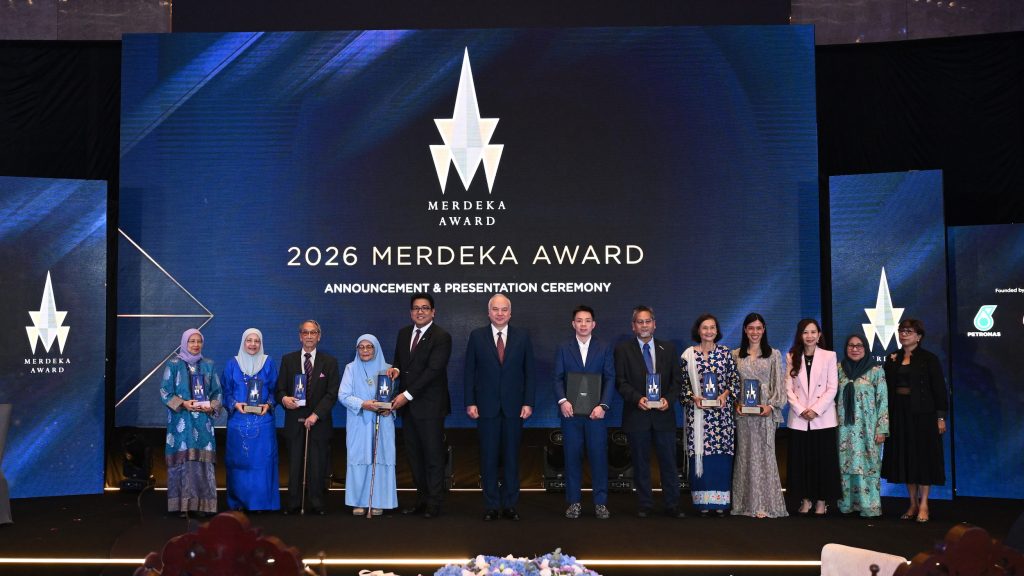
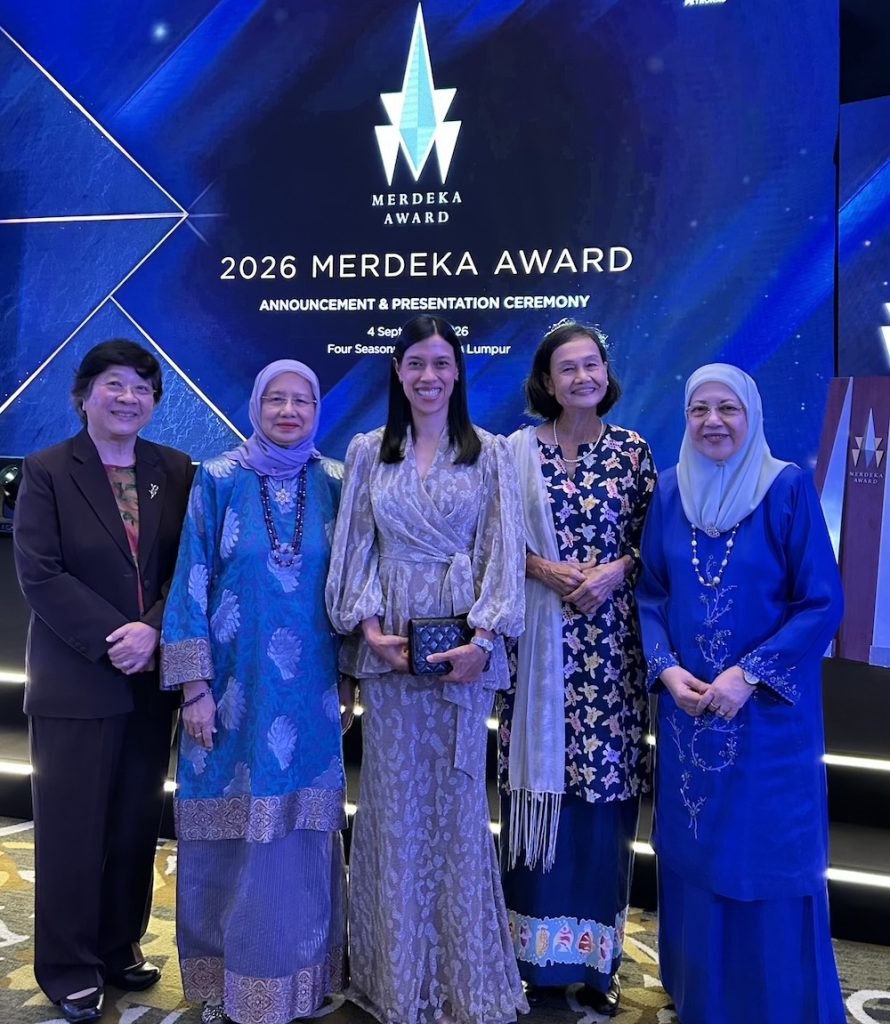
In 2026, two athletes are among those being recognised. Datuk Nicol Ann David receives the Merdeka Award for Outstanding Contribution to Humanities, Arts and Sports for a career that carried Malaysia’s name across the squash world and later opened doors for youth and women in sport. Cheah Liek Hou receives the Anugerah Harapan Merdeka for taking Malaysian para-badminton to the world stage and using that visibility to champion athletes with disabilities.
A Reign Built On More Than Talent
Nicol’s rise began early. She first picked up a squash racket at five and was already competing internationally while still in school. At 15, she became the first Malaysian female athlete to win the World Junior Championship, putting her on the world stage before she was even old enough to drive.
But staying there required more than talent. Nicol began mental training when she was only 12 or 13, and after years of competing almost non-stop, she hit a wall in 2018. Burnt out, she had to step away from squash for two months. The break gave her time to reset. When she returned, she went on to win her final Asian Games gold for Malaysia.[1]
After decades of competing, she had to figure out what came next.
I wanted to give back. I couldn’t keep all this knowledge and experience to myself. – Datuk Nicol Ann David[1]
A New Purpose Beyond The Court
Instead of opening a private academy, Nicol helped build the Nicol David Organisation around access, education and the lessons she had learnt through elite sport[1].
Little Legends combines squash with English, communication and life skills for children from low- and middle-income families. The +Play initiative takes movement and positive psychology into schools.
I just want kids to have that ability to learn from sport, and learn the value it has to offer. Having the discipline, the resilience and being confident in themselves through sports. That’s the best way of learning it practically. – Datuk Nicol Ann David
Nicol’s influence runs through Malaysian squash at every level, from the youngest players finding their footing to the ones already chasing world titles.
When Nicol was around 10 or 11, there was only one girls’ age group in the national SportExcel junior squash circuit: Under-19. It meant that a young Nicol had to compete against girls several years older than her.
The landscape looks very different today – more than 1,000 junior girls across all 14 states have gained greater access to squash, while competitions now cater to girls from as young as under nine.
At the elite level, Nicol’s influence is not about finding someone to become the next Nicol David.
When Sivasangari Subramaniam won the 2024 London Classic, comparisons with the eight-time world champion quickly followed. The pressure was difficult for Sivasangari, who was trying to build a career of her own.
Nicol eventually came up to her with a simple reminder: “Everyone is unique.”
She has been clear about wanting younger Malaysian players to be given the space to write their own stories rather than be measured against hers[2].
Sivasangari is not the only player Nicol has guided. Her mentorship has also reached Aifa Azman and Aira Azman. Aifa became the youngest Malaysian champion on the Professional Squash Association Tour, while Aira captured back-to-back tour titles in 2024 and 2025.
That same instinct to open doors extends off the court, too. Throughout much of Nicol’s career, seeing a woman coaching from the sidelines was still relatively uncommon. Nicol was fortunate to have that experience herself, she grew up with a female coach and continued working with one for much of her competitive career. Years later, she is trying to make sure that experience is no longer unusual.
Through the Nicol David Organisation, women with little or no sporting background have been trained and given opportunities to become professional squash coaches. Today, women make up 80% of its coaching team.
For the girls coming through now, women are no longer only the players they can look up to. They are also the coaches waiting for them at the side of the court.
A Champion Who Waited 18 Years
Nicol spent decades building pathways for others to follow. Cheah Liek Hou spent 18 years waiting for his sport to build a pathway for him.
Badminton had been part of Cheah Liek Hou’s life since he was nine. He played it at school, then went on to compete at district, state and national level alongside able-bodied players. [3]
Cheah was born with Erb’s palsy, which left his right arm weaker than his left. But for the first 15 years of his life, he had never imagined that his condition could lead him down a different sporting path.
That changed when a national coach noticed his weaker right arm and introduced him to para-badminton.
His coach told him that para-badminton could one day make it into the Paralympic Games. But no one could tell him when.
Then the news finally came, para-badminton would make its Paralympic debut at Tokyo 2020.
Cheah left his corporate job and committed himself fully to training under former national shuttler Rashid Sidek, rebuilding his fitness and losing 20kg as he prepared for the biggest opportunity of his career. [3]
I just waited and waited. In the end, I waited for 18 years to play the first Paralympic Games for Para badminton in Tokyo. – Cheah Liek Hou [4]
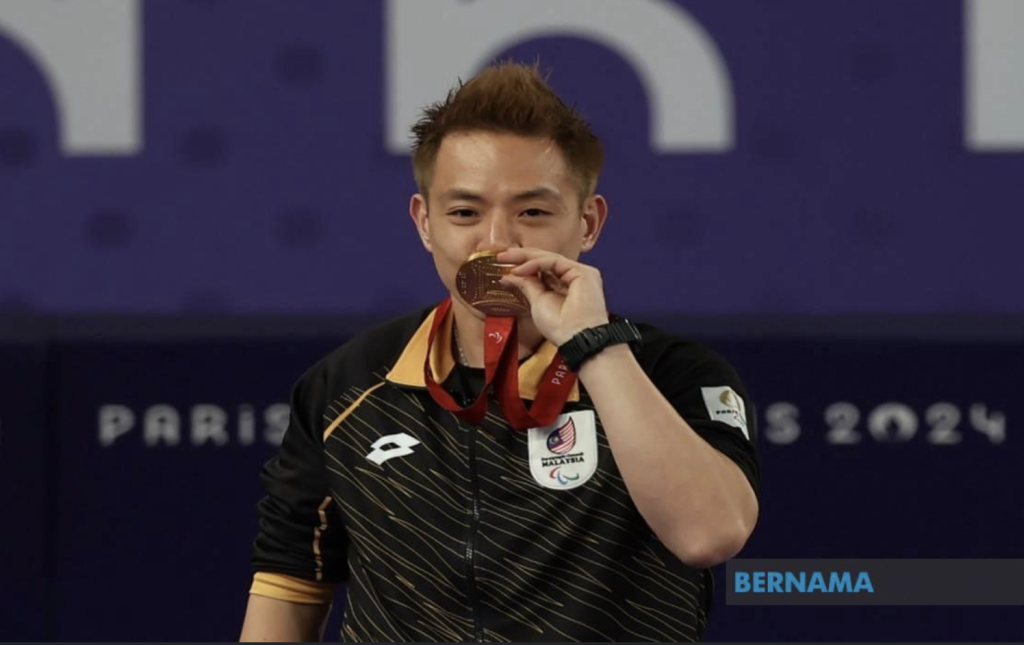
Cheah made history by becoming para-badminton’s first Paralympic champion in Tokyo and defended his title at Paris 2024. In 2026, he won his ninth men’s singles world title, becoming the first Malaysian athlete to win nine individual world championships in one sport.
Malaysia has competed at the Paralympic Games since 1972 and has won 21 medals, including eight gold. Two of those gold medals belong to Cheah. [5]
Yet visibility did not make every barrier disappear.
After Paris 2024, Cheah challenged the failure to fully deliver a RM60,000 reward pledged to him. [6]
If I don’t voice this out, these things will happen to maybe my juniors or up-and-coming para athletes again and again. – Cheah Liek Hou [6]
The dispute was eventually settled. But Cheah’s experience showed that even a two-time Paralympic champion could still find himself fighting for support that had already been promised.
Cheah has carried that concern beyond his own career too. After Paris, Cheah directed part of his sporting incentives towards retired para-athletes, people with disabilities and orphanages. His attention was especially drawn to former athletes struggling financially or physically after leaving competition.
I hope this recognition inspires young Malaysians across the country to dare to dream, innovate boldly, and contribute meaningfully to our collective progress. – Cheah Liek Hou
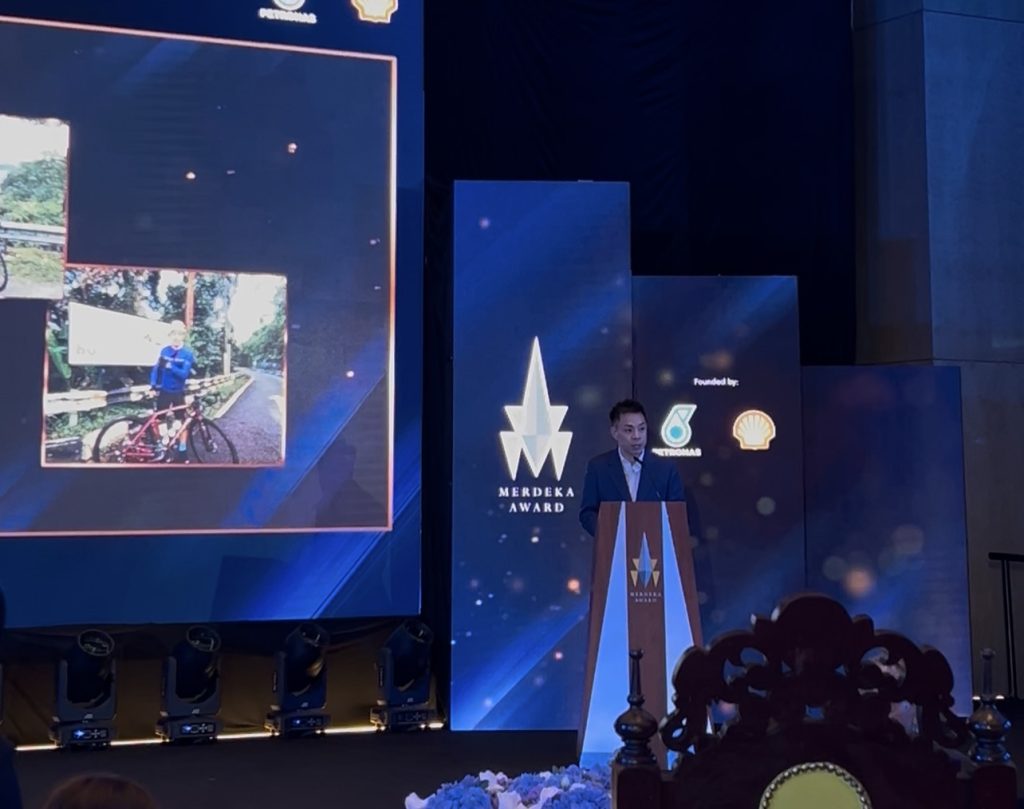
Let this be a step forward in our shared journey toward a brighter, more sustainable, and inclusive nation. – Cheah Liek Hou
Honouring Those Who Move Malaysia Forward
Nicol and Cheah are part of a wider group recognised at the Merdeka Award 2026.
This year’s honourees also include Academician Professor Emeritus Tan Sri Datuk Dr Omar Abdul Rahman, Emeritus Professor Dato’ Dr Hajah Asmah Haji Omar, Academician Professor Emerita Datuk Dr Asma Ismail, Academician Emeritus Professor Datin Paduka Setia Dato’ Dr Aini Ideris, Professor Dr Chan Eng Heng and MERCY Malaysia.
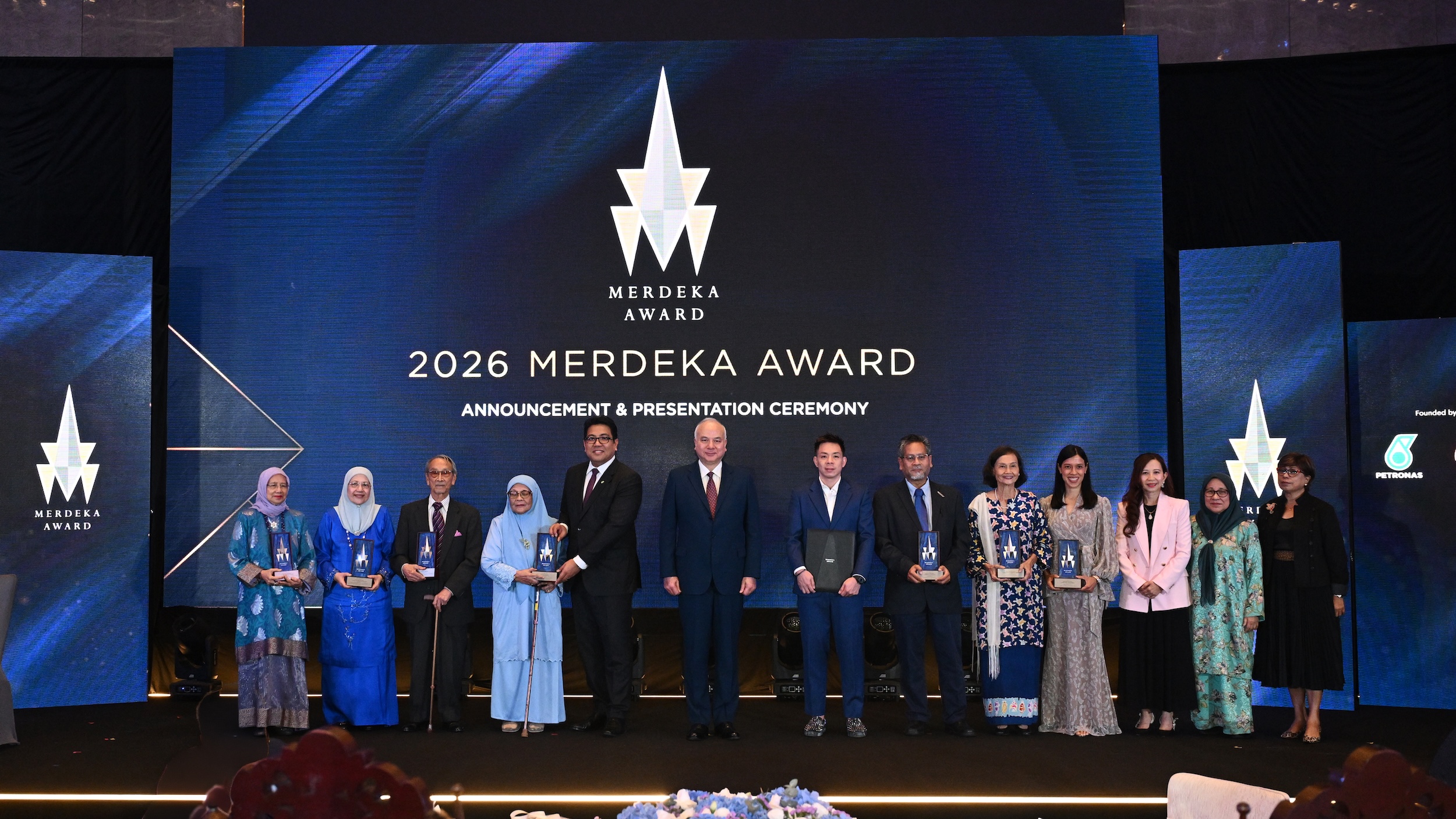
For Nicol and Cheah, the medals already tell us what they achieved on court. Their national impact is visible elsewhere, in younger athletes reaching the world stage, women building careers in sport and para-athletes gaining a stronger voice in how they are treated.
Rankings may change and records are eventually broken, but the opportunities Nicol and Cheah have helped create for those coming after them may last much longer.
Explore Our Sources:
1. Azman Ghani. (2026). Former world squash champion Nicol David helps youth build resilience through foundation. The Star. Link
2. Malay Mail. (2024). ‘We have different journeys’, says Sivasangari when compared to former World No.1 Nicol David. Link
3. Tho Xin Yi. (2021). After 18-year wait for badminton to feature in Paralympics, Malaysia’s Cheah Liek Hou strikes gold. CNA. Link
4. Paralympic.org. (2022). Para taekwondo, badminton stars look back on sports’ historic debuts at Tokyo 2020. Link
5. Shaza Al Muzayen. (2024). Malaysia’s Road to Olympic and Paralympic Gold. Bernama. Link
6. Malay Mail. (2025). Cheah Liek Hou says he has no regrets over speaking out on Paris 2024 reward dispute, fighting for all para athletes. Link