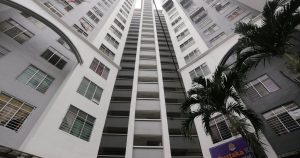
Depression During Covid-19 Hits The Poor Harder
The United Nations released a report in October 2020[1] after exploring “the impact of the Covid-19 crisis on women and children in low-income urban families

The United Nations released a report in October 2020[1] after exploring “the impact of the Covid-19 crisis on women and children in low-income urban families
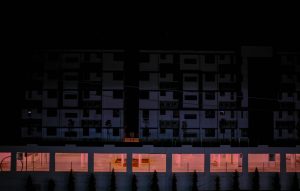
Is poverty measured solely based on an individual’s wealth? Yes and no. Whilst wealth is one barometer, other factors such as standard of living, basic
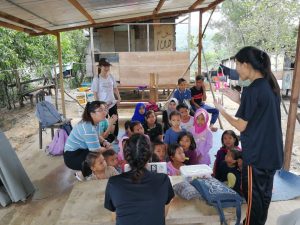
Education and poverty are intertwined. Children from low income children are predisposed to various challenges at school and at home, limiting their chances for success in education. The problem becomes more complex when children are born into families without citizenship or national belonging.
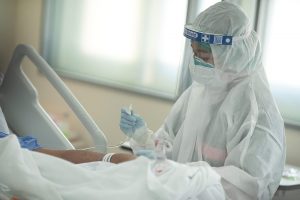
Is Sabah being the poorest state in Malaysia also a contributor to the fact of the severity of these cases?
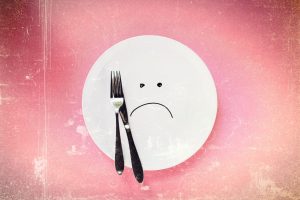
We have all experienced hunger – the rumbling of the stomach, shaky hands and the gnawing reminder to eat something. As you are reading this, there are thousands of Malaysians that are still going hungry. The uncertainty of the next meal and the inability to have nutritious well-balanced meals are real problems these Malaysians are facing.
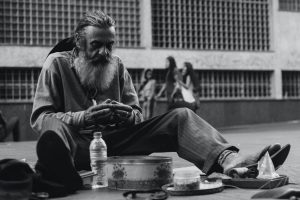
Many months into the pandemic and many families are feeling the brunt of it. Joblessness and sudden loss of income have left many struggling to stay afloat during the pandemic. While those who still have jobs may complain about being stuck at home and getting on with the new norm of working from home, the poor have dire issues to worry about – whether they will survive this year or not.

Everyone has been affected one way or another when COVID-19 hit the world unexpectedly. The virus has taken thousands of lives and is also threatening the livelihoods of many. Before the pandemic, job security was never a topic of discussion, but as the weeks of lock-down prolonged, many were forced to consider pivoting, find job alternatives and even forced to think about what the future holds.

People who live in poverty are at increased risk of mental illness compared to their economically stable peers. The never-ending stress that comes from poverty, can lead to poor mental health. However, the converse is also true. Mentally ill people are also at higher risk of becoming poor because they suffer social stigma, have higher health costs, show signs of lower productivity at work and may suffer from job loss.
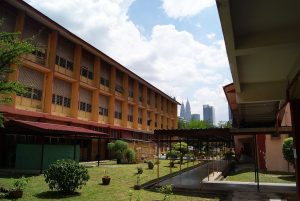
Shocking Facts Of Malaysia’s Education Gap. Read our whitepaper to discover more about the education inequality in Malaysia.

Every year parents go through a mental list of requirements and criteria before enrolling their child into school. Parents living in urban areas have the