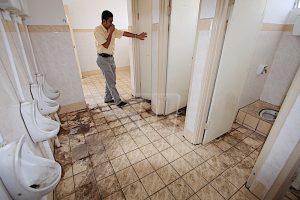
Malaysia’s Public Toilet Crisis: RM800 Million (And More) Spent, Why Do They Still Stink?
Stepping into a Malaysian public toilet can feel like a gamble – either a welcome relief or a horror show you never signed up for.

Stepping into a Malaysian public toilet can feel like a gamble – either a welcome relief or a horror show you never signed up for.
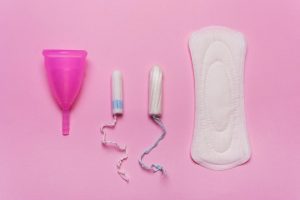
In late 2021, the tabled budget 2022 included the monthly distribution of free personal hygiene kits (including sanitary pads) to 130,000 B40 teenagers[1]. Even though
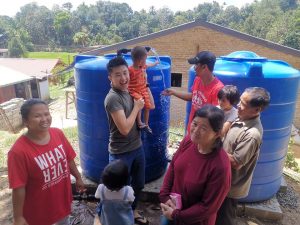
Everything starts from water. We drink it to survive, water cleanses and nourishes nature. Many of us in the urban parts of Malaysia are accustomed
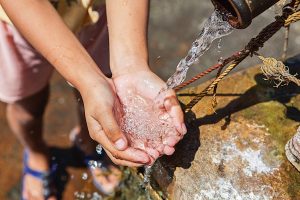
The average Malaysian uses around 201 litres of water a day[1]. That is higher than the recommendation of 50 – 100 litres of water a

As Malaysia is battling the fourth wave of COVID-19, news of COVID-19 infection rates, hospitalizations and death rates has been plaguing the front page of
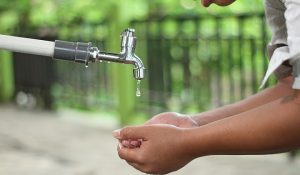
Inaccessibility to clean water could introduce a plethora of issues to the affected community — health problems, improper sanitation, poor hygiene levels and even loss of income. This is why the United Nations acknowledges universal access to clean water as a fundamental human right and a crucial step towards enhancing living standards.
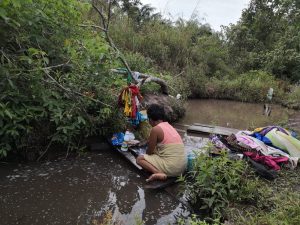
We all know that water is vitally important for survival and it is a basic human need. It’s easy to take granted clean water when we can have it at a turn of the tap. However, clean water is still a luxury for some Malaysians, namely the Orang Asli.