- Leave a review
- Claim listing
- Bookmark
- Share
- Report
- prev
- next
From Rescued Fabrics to Meaningful Merchandise: How RAYS and Selesa Brought Circular Design to Life
When planning for Rainforest Youth Summit (RAYS) 2026, the organising team wanted event merchandise that reflected the summit's commitment to sustainability rather than relying on conventional products made from newly sourced materials.
That vision led them to collaborate with Malaysian slow fashion social enterprise Selesa to explore a different approach.
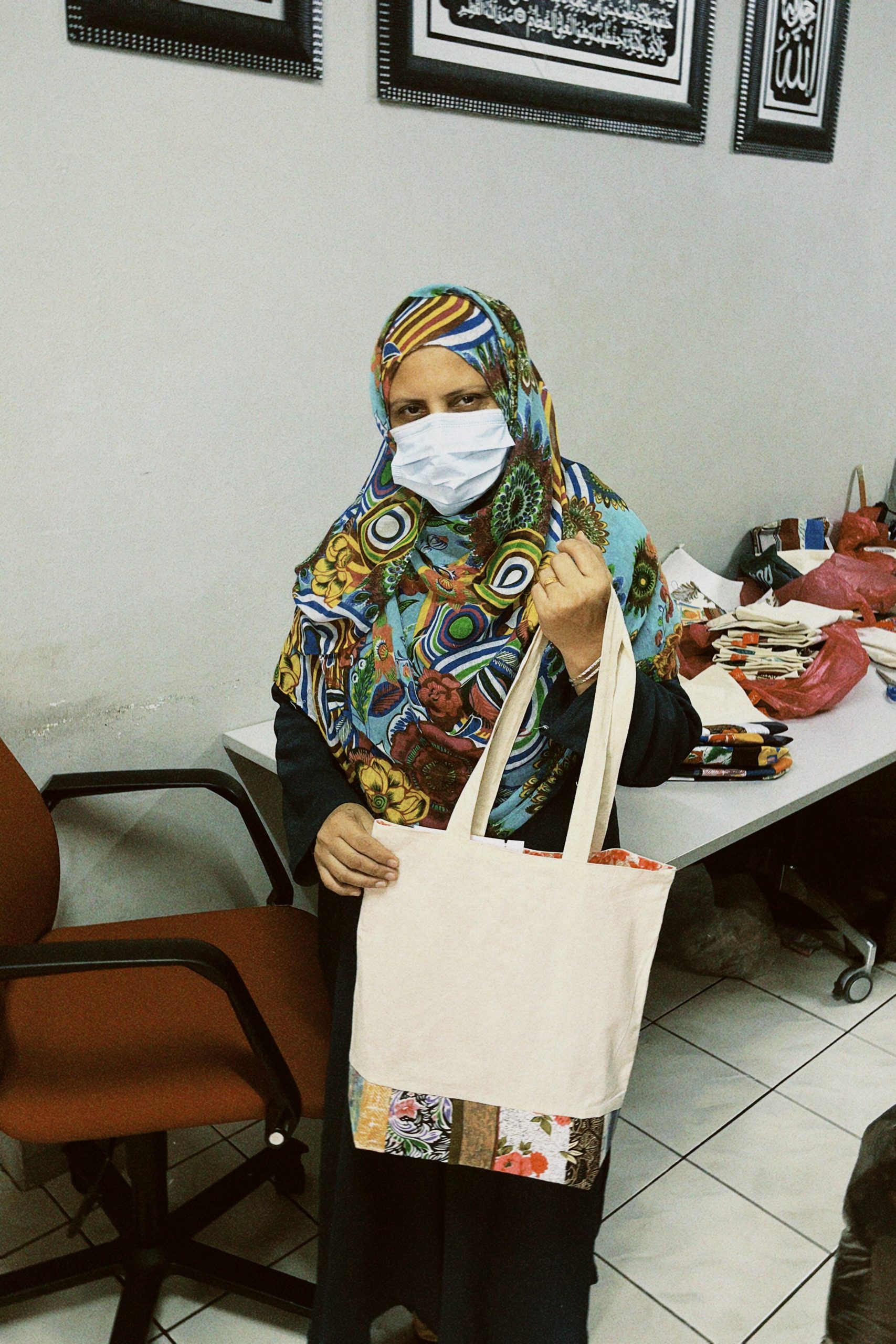
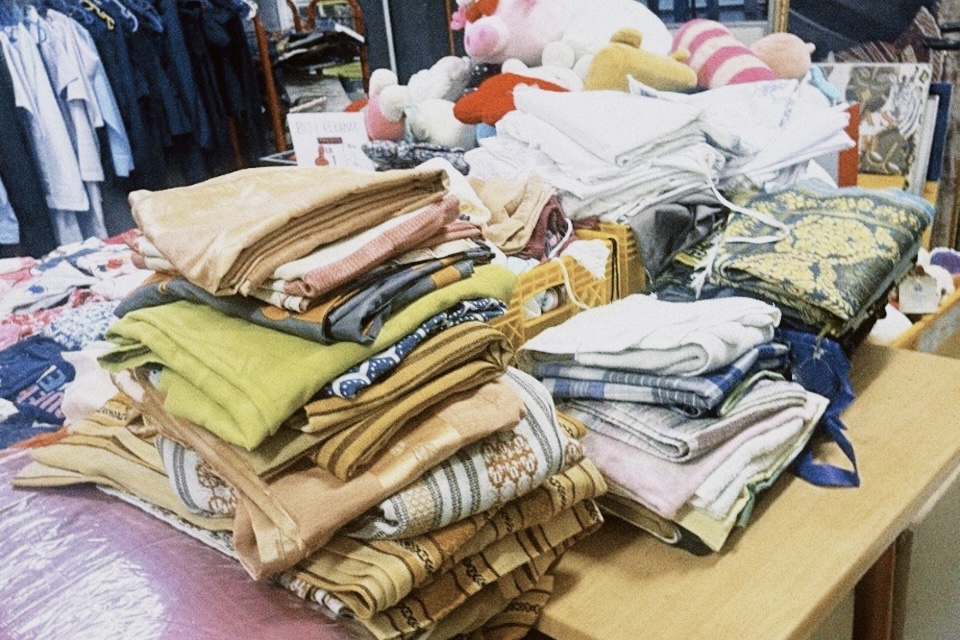
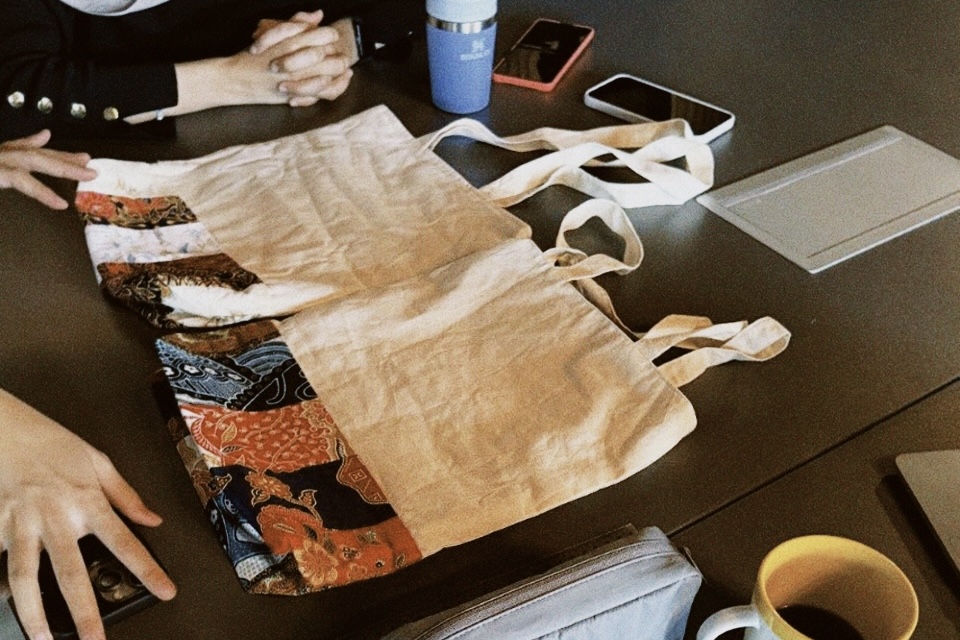
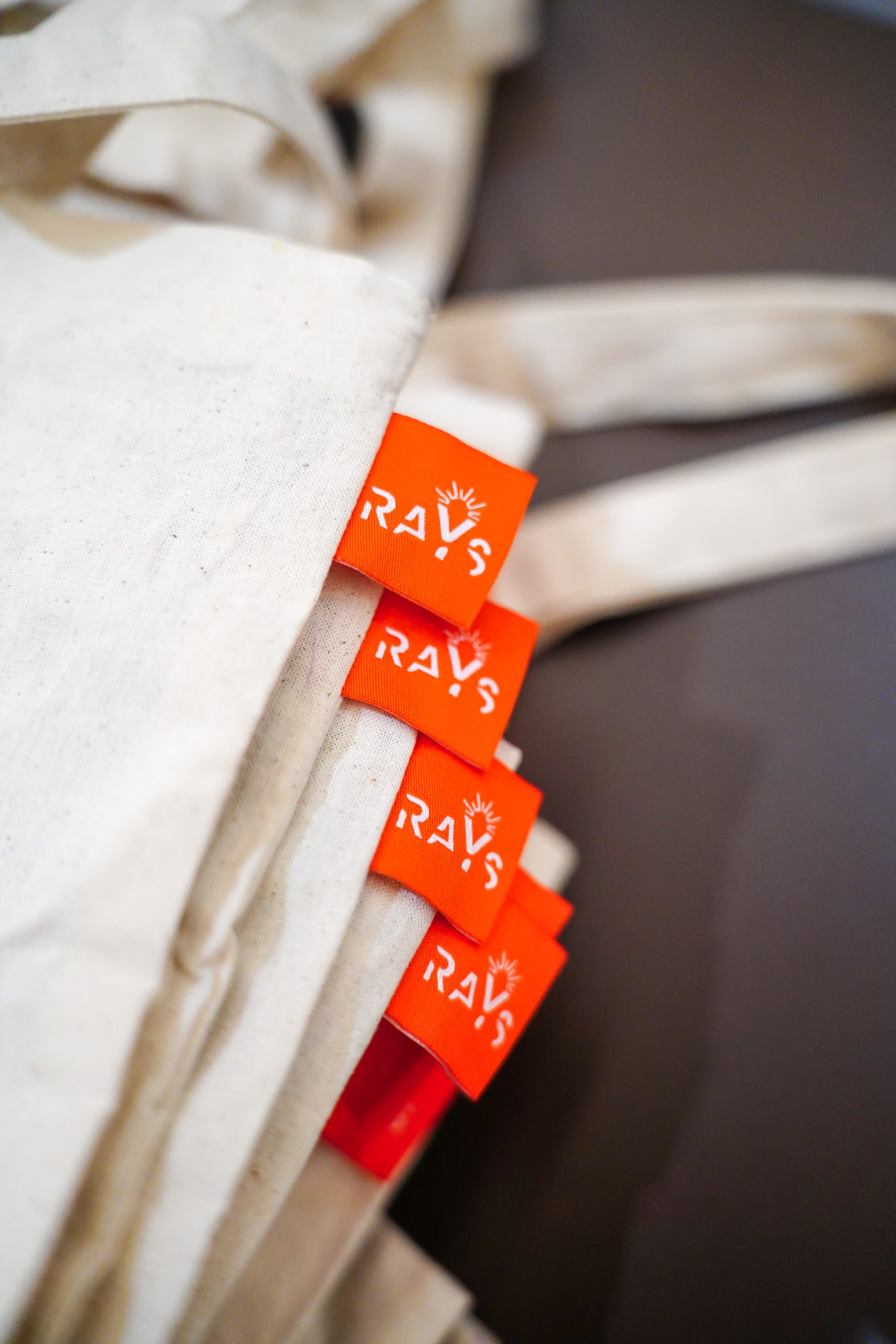
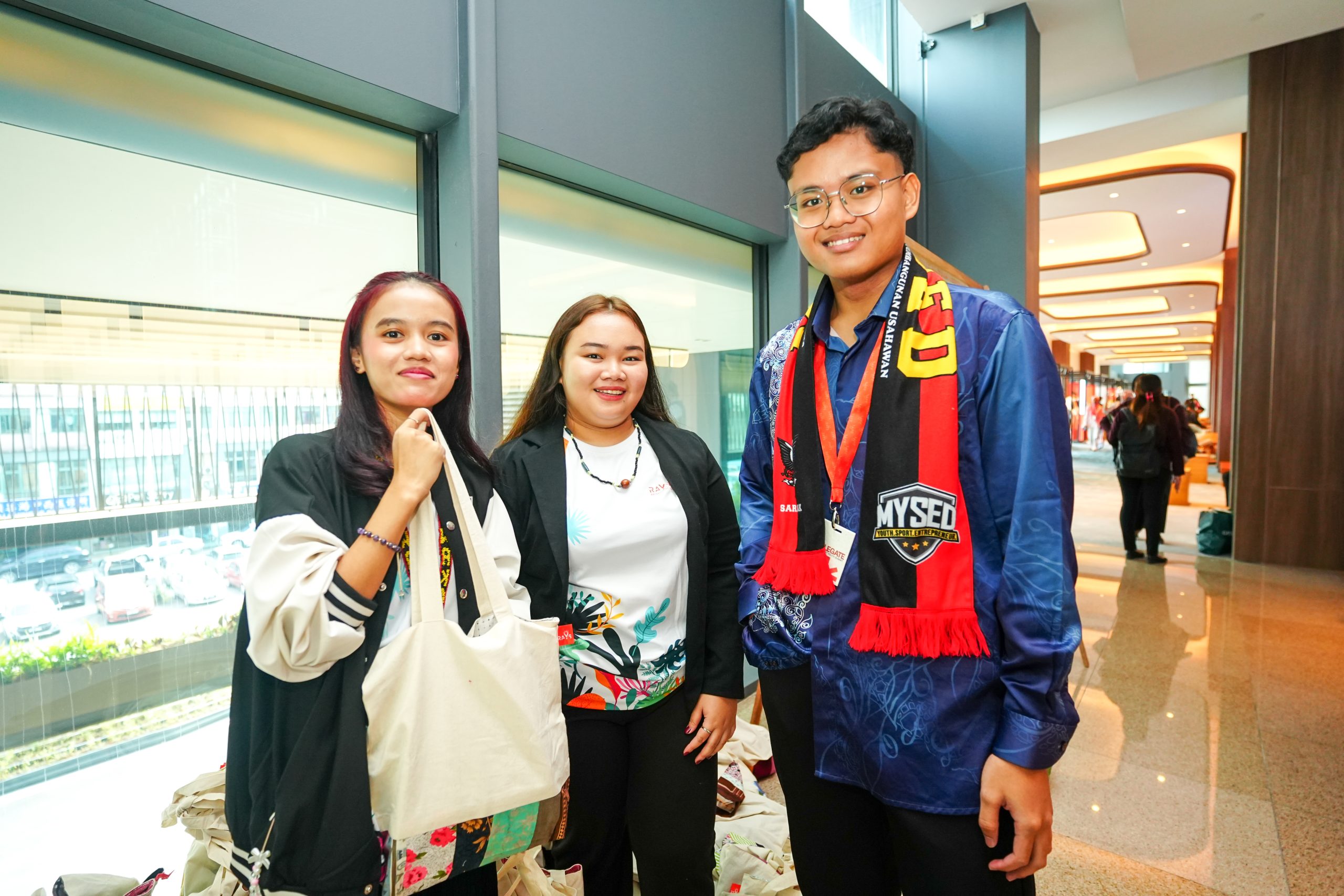
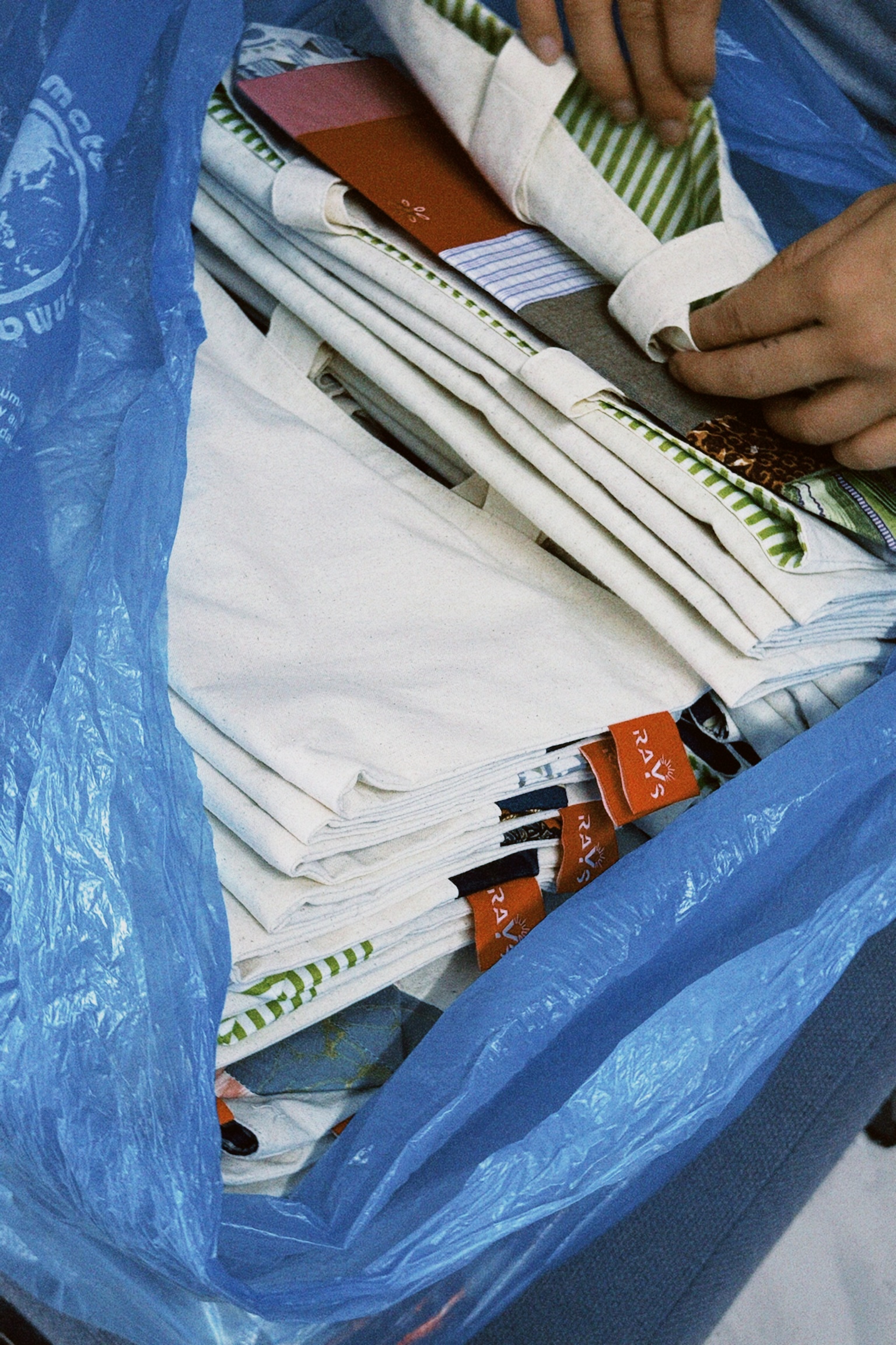
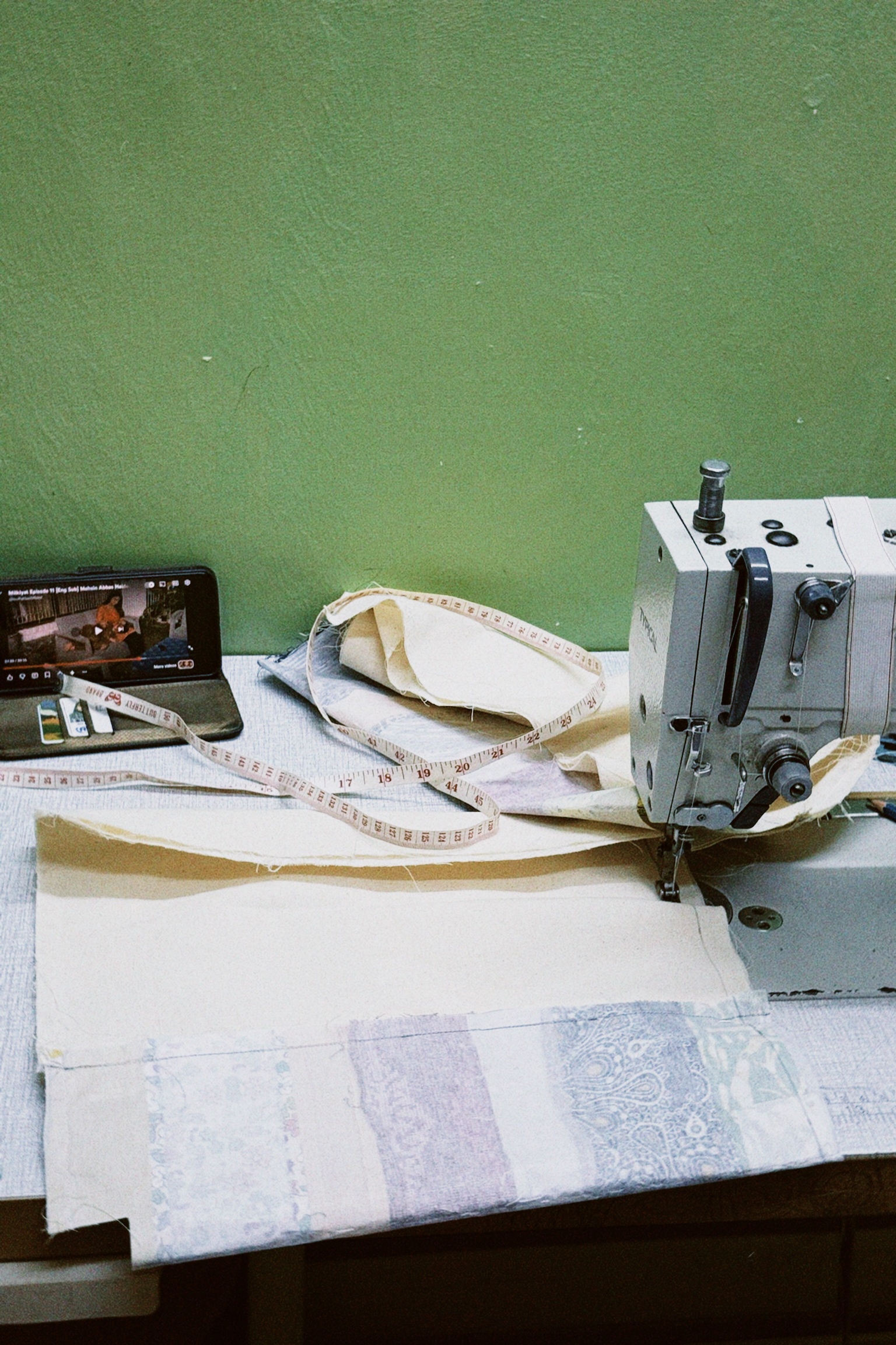
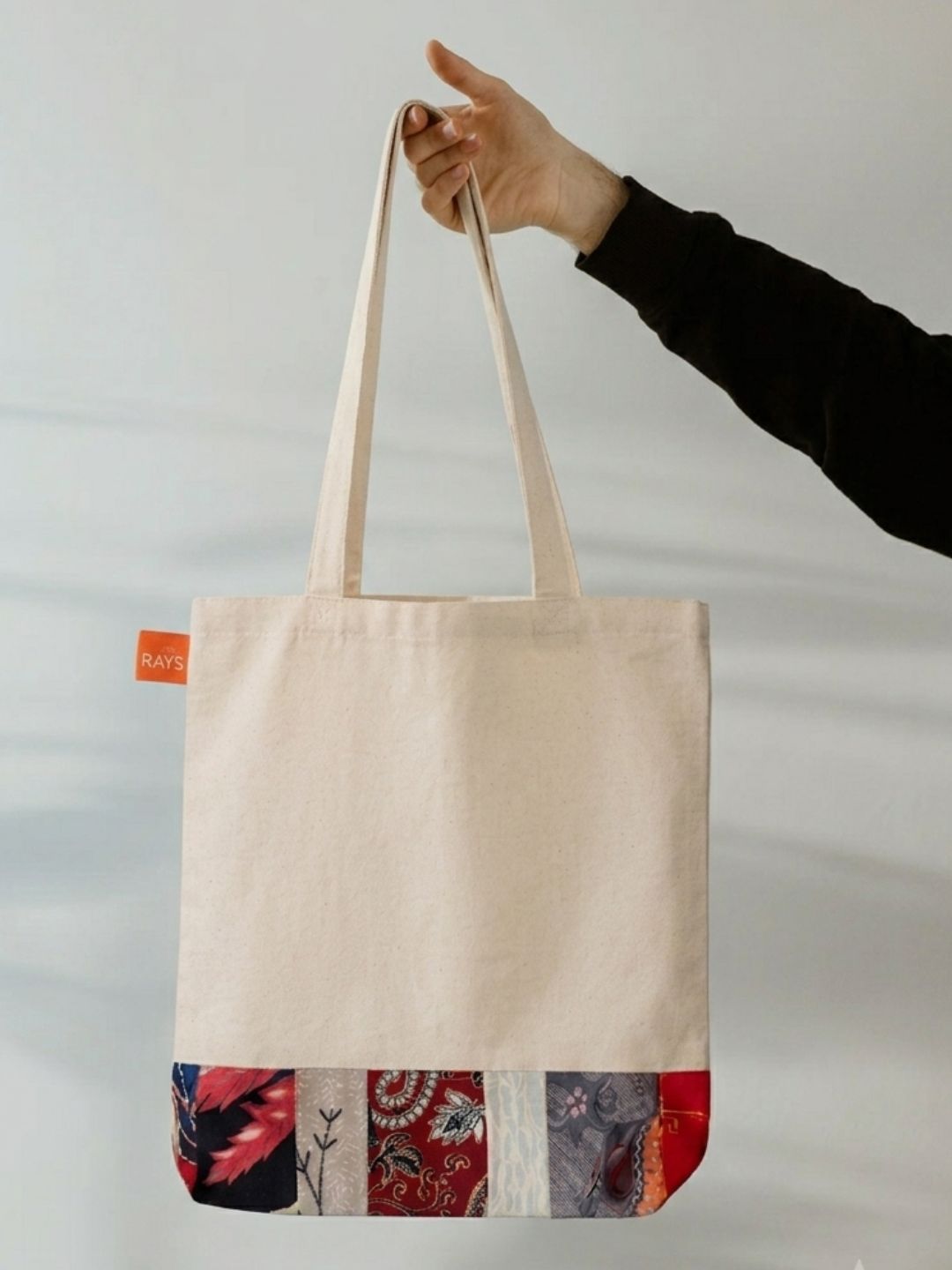
What began as an idea evolved into a project that transformed approximately 720 metres of rescued fabrics from local fabric stores into 900 reversible tote bags, handcrafted by a community of refugee and local artisan tailors.
The collaboration itself traces back to a connection formed through the Biji-biji Pre-Accelerator Bootcamp, where both organisations first met through a shared commitment to creating positive social and environmental impact. Months later, that connection grew into a partnership with a common goal: proving that event merchandise could become a platform for circular economy and inclusive employment.
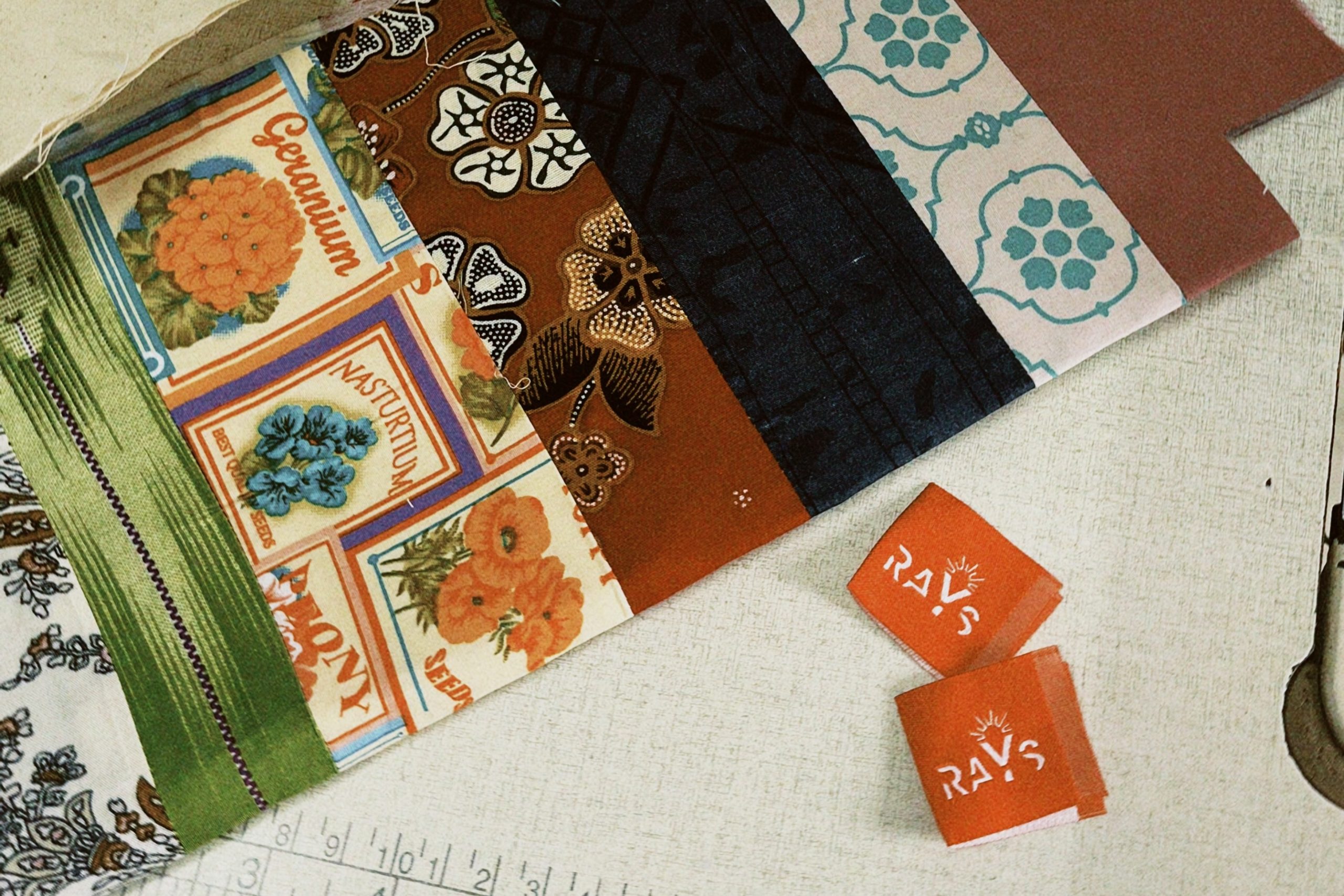
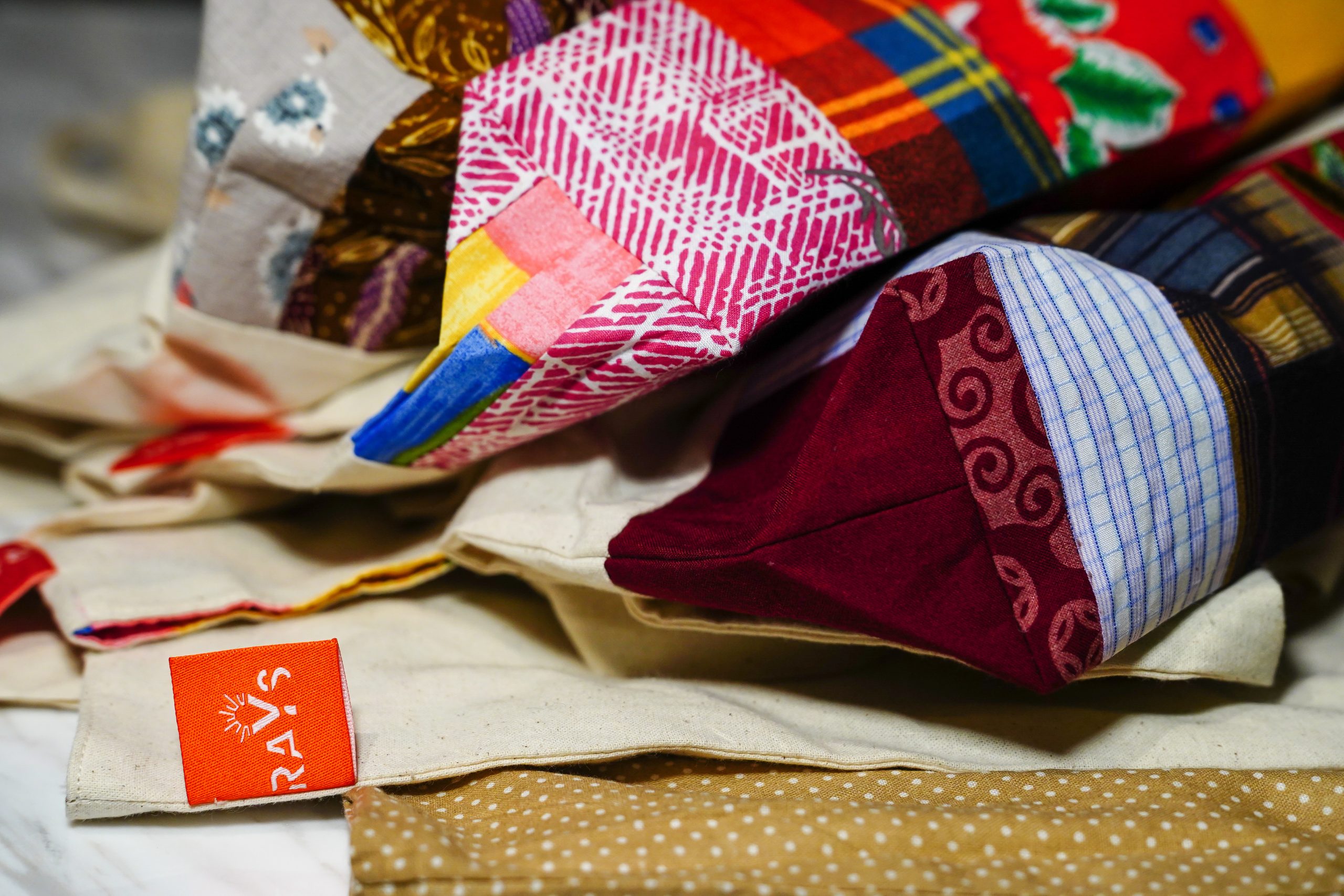
Rather than purchasing new decorative fabrics, Selesa worked with unwanted end-of-roll, discontinued, and surplus textiles that might otherwise have remained unused. Each rescued fabric was thoughtfully incorporated into the tote bag design, ensuring that every bag carried its own unique combination of colours, prints, and textures.
Beyond reducing textile waste, the project also created meaningful opportunities for the people behind every stitch. The production engaged 15 refugee and local artisan tailors over a two-month period, providing additional income while strengthening their skills through a large-scale collaborative project.
The completed tote bags feature a reversible design, combining a clean canvas exterior with a patterned upcycled lining, giving participants a functional keepsake that also tells a story about thoughtful design and responsible production.
For Selesa, the project demonstrates that the principles of slow fashion can extend beyond clothing. By combining rescued materials, artisan craftsmanship, and purpose-driven collaboration, the initiative shows how organisations can rethink merchandise as an opportunity to create environmental and social value rather than simply another promotional item.
As more organisations explore ESG initiatives and sustainable procurement, collaborations like this illustrate that practical alternatives already exist. Event merchandise can reduce waste, support livelihoods, and communicate an organisation's values in a tangible way.
Selesa hopes this project will encourage more businesses, organisations, and event organisers to consider sustainable merchandise that creates positive impact throughout the production journey.
To learn more about the project and its behind-the-scenes story, visit Selesa's blog. Organisations interested in collaborating on sustainable corporate merchandise or upcycling initiatives are welcome to connect with the team to explore future partnerships.
To learn more about the Rainforest Youth Summit (RAYS) and follow its upcoming initiatives, visit https://www.rainforestyouthsummit.com/ and follow @raysummitofficial on Instagram, TikTok, and YouTube.