
Professor Dr. Wan Ahmad Amir Zal bin Wan Ismail
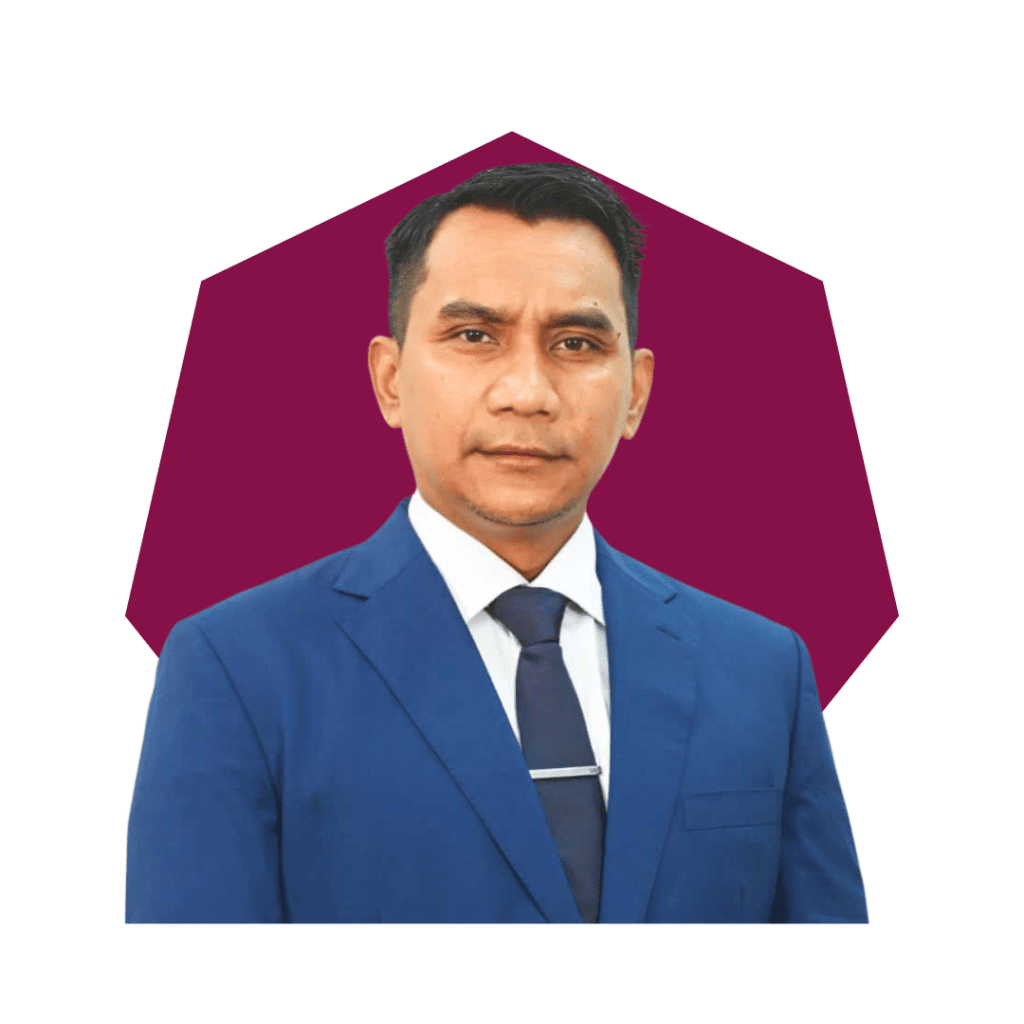
Prof. Dr. Wan Ahmad Amir Zal bin Wan Ismail, better known as Prof. Amir Zal, is an eminent scholar in community development, specializing in economic empowerment and sustainable ecosystem transformation through multi-stakeholder partnerships. His expertise lies in driving sustainable and impactful community development by engaging all levels of society, from policymakers to grassroots communities.
Throughout his career, Prof. Amir Zal has been involved in more than 80 research projects aimed at understanding and formulating strategic interventions for diverse communities. His work encompasses areas such as poverty alleviation, Orang Asli empowerment, social protection, and inclusive community development.
Recognized nationally and internationally as an authority on poverty alleviation, Prof. Amir Zal approaches the issue from a holistic and policy-oriented perspective. He advocates pro-poor policies and collaborative frameworks involving quintuple-helix stakeholders, namely government, academia, industry, civil society, and the community. His pioneering concept of 360-degree community mapping integrates both top-down and bottom-up insights to create evidence-based and inclusive strategies.
Previously, he led a specialized institution, the Institute for Poverty Research and Management (InsPeK), Universiti Malaysia Kelantan, dedicated to developing strategic policies and programs on poverty reduction. Under his leadership, various initiatives were formulated, including frameworks for the care economy, social protection, and the silver economy. He has also introduced innovative models in social entrepreneurship, collaborative poverty expertise, and social network laboratories, which are designed to align with the dynamic and diverse realities of communities.
Driven by his lifelong mission to empower communities from all angles, Prof. Amir Zal has dedicated his intellect and passion to ensuring no one is left behind in the pursuit of sustainable-impact development.
Currently, he serves as the Deputy Vice-Chancellor (Research and Innovation) at Universiti Malaysia Kelantan (UMK), where he continues to champion transformative research and innovation for the betterment of society.
To me, making an impact means working together through collaborative networking and strategic partnerships to drive transformative and sustainable change. It is about uniting diverse stakeholders to co-create solutions that empower communities and ensure sustainable-impact development that benefits both people and the ecosystem for generations to come.